Hagia Sophia's Hidden Codes: The Universal Language of Geometric Patterns and Symbols (2026)
As we navigate 2026, the Hagia Sophia continues to captivate with its enduring mysteries. This iconic Istanbul landmark isn't just a structure; it's a testament to the profound intersection of geometry, art, and spirituality, inviting us to decode its hidden messages embedded within intricate patterns and symbols. Dive into the secrets that this magnificent edifice has held for centuries.
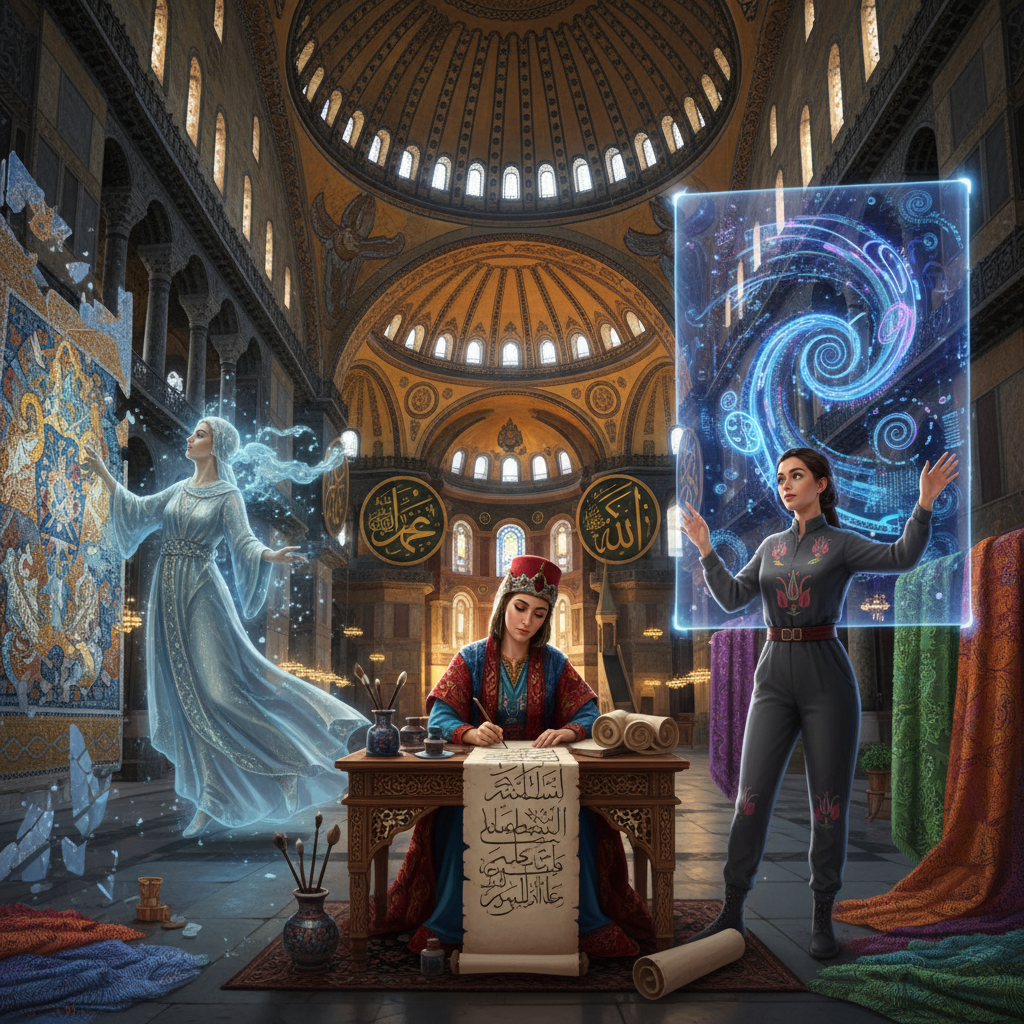
Hagia Sophia's Hidden Codes: The Universal Language of Geometric Patterns and Symbols
Even as we enter 2026, human history and architecture hold countless unsolved mysteries. One of the most fascinating examples of these secrets is found within Hagia Sophia's Hidden Codes. This magnificent structure, which has defied time for centuries in the heart of Istanbul, is not merely a place of worship or a museum. It is, moreover, a monument built at the intersection of geometry, astrology, philosophy, and religious sciences, with every corner carrying deep meanings. Whispering to its visitors through its architecture, decorations, and even its location, Hagia Sophia is like an enigmatic message box extending from the past to the present, inviting us to decipher its profound secrets.
The Mystic Geometry of Hagia Sophia's Hidden Codes
The geometric principles used in the construction of Hagia Sophia ensured that the structure carried not only a visual but also a cosmological meaning. Indeed, every detail of this impressive building, even when viewed from the outside, has been intricately crafted with mathematical ratios and sacred geometry. These ratios are like a secret language, representing the order of the universe, divine harmony, and unity, all contributing to Hagia Sophia's Hidden Codes.
Divine Proportion and the Golden Ratio in Hagia Sophia
The "golden ratio" (phi, approximately 1.618), frequently encountered in Hagia Sophia's design, goes beyond merely bestowing aesthetic perfection upon the structure. It is also considered a symbol of cosmic harmony. We can trace this divine ratio in many elements, such as the height of the domes, the distances between columns, and the arrangement of windows. These ratios evoke a subconscious sense of peace and admiration in visitors. This intricate craftsmanship forms a significant part of Hagia Sophia's overarching design, pointing towards Hagia Sophia's Hidden Codes.
Cornerstones of Sacred Geometry within Hagia Sophia
- Cube and Sphere: At the foundation of Hagia Sophia lies a square plan representing earthly order and a colossal dome, or sphere, representing the divine realm. This duality powerfully symbolizes the union of the celestial and the terrestrial.
- Octagonal Architecture: Octagonal forms used in many parts of the structure (for example, the octagonal drum of the main dome) add a spiritual dimension. They represent the eight gates of heaven or an eight-pointed star, enhancing the mystical atmosphere. You can learn more about the intricate details and hidden creatures within its architecture.
- Celestial Reflections: The way daylight enters through the windows and its reflections create a celestial atmosphere within Hagia Sophia. This proves that those who describe the building as 'a place of peace and splendor' do so for good reason.
The Symbolic Language: Hagia Sophia's Patterns and Mosaics
The mosaics and geometric patterns adorning Hagia Sophia's walls are not merely artistic elements. Each one is part of a rich symbolic language, reflecting the beliefs, philosophy, and understanding of the universe of its time. These works serve as crucial keys for those who wish to decipher Hagia Sophia's Hidden Codes.
Hidden Meanings in Hagia Sophia's Mosaics
Hagia Sophia mosaics span a wide range from the early Christian period to the Ottoman era. While figurative mosaics depict emperors, empresses, religious figures, and important scenes, these depictions are full of specific hierarchy and symbolism. For example, the Christ Pantocrator mosaic most powerfully expresses the sovereignty of the universe and the divine authority of Christ. Thus, these visual narratives offer profound insights. For more on the artistry, explore Hagia Sophia's Mysterious Hues: Pigment Whispers.
Cosmic Messages of Geometric Patterns in Hagia Sophia
Abstract geometric patterns, repetitive motifs, and symmetries are found in various corners of the structure, particularly in column capitals and marble cladding. These patterns symbolize the infinity of the universe, divine order, and the cyclical nature of existence. A similar understanding of abstraction was used in Islamic period additions to express the oneness of Allah and the unity of all beings. Even in 2026, research on these patterns continues, with every new perspective adding a new chapter to Hagia Sophia's endless story. These motifs contain not only aesthetic but also mystical and esoteric knowledge, truly elaborating on Hagia Sophia's Hidden Codes.
Hagia Sophia's Location and Astronomical Alignments
Hagia Sophia's location held not only strategic but also astronomical and symbolic meanings. The place where the structure was built was not only the center of Constantinople but also considered, according to some ancient beliefs, a crossroads of cosmic energy lines. This further deepens Hagia Sophia's Hidden Codes and prophecies.
There are various theories that the building's doors, windows, or mihrab are aligned according to specific zodiac signs, planets, or equinoxes. Such alignments were quite common in ancient architecture, suggesting that the structure served not only an earthly but also a celestial purpose. This architectural and astronomical harmony transformed Hagia Sophia into a living calendar or observatory, speaking directly to its hidden knowledge and revealing more about Hagia Sophia's Hidden Codes. For deeper insights into these celestial connections, explore Hagia Sophia's Celestial Voyagers.
Legends, Rumors, and the Mysterious Atmosphere of Hagia Sophia
For centuries, Hagia Sophia has been home not only to historical events but also to countless legends and rumors. These stories, passed down from visitor to visitor, further strengthen the building's mystical atmosphere and increase the allure of Hagia Sophia's Hidden Codes.
The Weeping Column and Other Enigmatic Spots in Hagia Sophia
Within the structure, there is a column known as the 'Weeping Column.' The belief that wishes made by inserting a finger into the hole in this column come true has been a popular ritual for centuries. The column earned this name because it is observed to be damp and 'sweating,' and according to legend, this moisture is believed to have healing properties. Many such spots demonstrate that Hagia Sophia offers not only a tangible but also an abstract experience. Discover more about these mysterious touches and rituals of connection within its walls.
Secret Passages and Unknown Chambers within Hagia Sophia
There have long been rumors of undiscovered secret passages, chambers, and even tunnels beneath and within Hagia Sophia's walls. These rumors keep alive the curiosity that the structure holds many more secrets awaiting revelation. Archaeological studies have yielded findings that corroborate some of these claims, but as of 2026, not all secrets have yet been revealed. Consequently, the mystery persists, making Hagia Sophia's Hidden Codes even more intriguing. For external insights into these architectural marvels, the UNESCO World Heritage Site page for Hagia Sophia offers authoritative information.
What to Pay Attention to When Visiting Hagia Sophia in 2026?
If you plan to visit Hagia Sophia, do not only enjoy its magnificent architecture and history. Also, be mindful to discover these Hagia Sophia's Hidden Codes. Deepen your perspective on each column, each mosaic, each pattern, and try to hear Hagia Sophia's whispers.
Focus on the Details of Hagia Sophia
It's easy to be captivated by the grandeur of the great dome, but focusing on the details will reveal Hagia Sophia's true treasures. The symmetries in the marble patterns on the floor, the decorations on the column capitals, and the erased or restored mosaics on the walls each have a unique story and meaning. Therefore, take your time. You might also be interested in the Metropolitan Museum of Art's collection on Byzantine art, which provides context for many elements found in Hagia Sophia.
Observe the Role of Light in Hagia Sophia
Visiting Hagia Sophia at different times of the day allows you to experience the changing atmosphere of the structure with different plays of light. Especially the way sunlight filters through in the morning and afternoon illuminates the mosaics and architectural details differently, revealing hidden beauties. This is proof that the building was deliberately designed to interact with light, adding another layer to Hagia Sophia's Hidden Codes.
Importance of Guided Tours for Understanding Hagia Sophia
To fully understand Hagia Sophia's complex history and symbolic language, it is recommended to get the maximum benefit from your visit with an expert guide. Guides will convey the stories behind the structure, architectural secrets, and legends, making your visit much richer and more meaningful. In 2026, the increasing number of digital guide options also offers great opportunities to personalize this experience further. For further research on the history and architecture, Britannica's entry on Hagia Sophia is a valuable resource.