How Hagia Sophia Influences Culture: 6 Key Insights Today!
Hagia Sophia, a monumental structure in Istanbul, stands as a testament to centuries of shifting empires, diverse cultures, and profound human ingenuity. More than just a building, it is a living chronicle of history and a beacon of architectural brilliance.
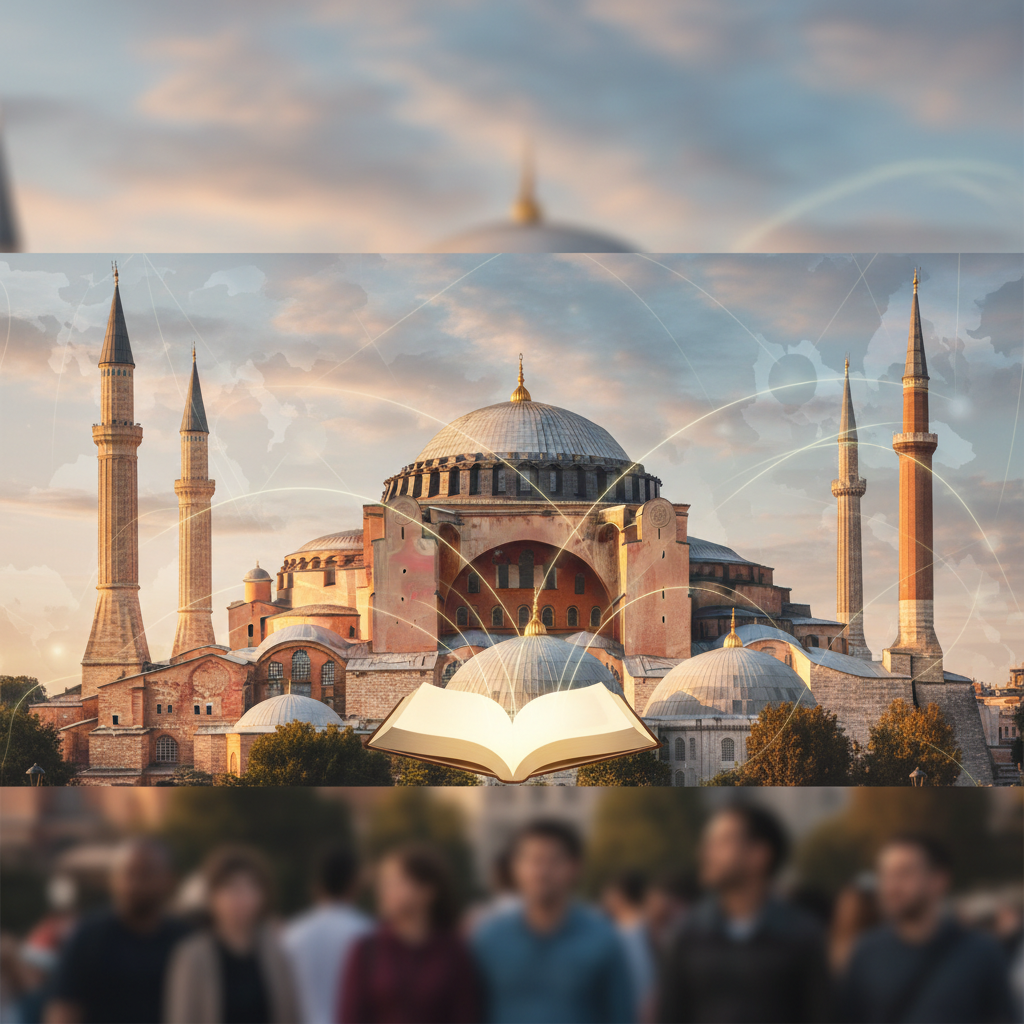
Hagia Sophia Culture: 6 Key Insights Today!
Hagia Sophia, a monumental structure nestled in the heart of Istanbul, stands as a testament to centuries of shifting empires, diverse cultures, and profound human ingenuity. More than just a building, it is a living chronicle of history, a beacon of architectural brilliance, and a source of endless fascination for travelers and historians alike. This article delves into the various ways Hagia Sophia culture continues to influence the modern world, offering six key insights that reveal its enduring legacy. From its architectural marvels to its mystical tales, we'll explore every facet of this iconic landmark, providing a comprehensive guide for anyone eager to understand its deep cultural impact. Hagia Sophia: Visitor Experience & Cultural Impact
The Enduring Legacy of Hagia Sophia Culture
Hagia Sophia, meaning "Holy Wisdom," has transcended its original purpose to become a global symbol. Initially constructed as a cathedral, then converted into a mosque, later a museum, and now once again a mosque, its identity has evolved with the tides of history. This continuous transformation reflects the complex Hagia Sophia culture and the broader world. Its very existence provokes contemplation on religious tolerance, historical preservation, and the fluid nature of identity.
The sheer scale and beauty of Hagia Sophia have captivated generations. Its dome, a marvel of ancient engineering, continues to inspire architects and engineers worldwide. The intricate mosaics and frescoes, though sometimes covered, tell stories of Byzantine art and religious devotion that resonate even today. For tourists, it's not just a sight to behold but an experience that connects them to a rich past, deeply rooted in Hagia Sophia culture.
1. Architectural Innovation and Influence on Hagia Sophia Culture
Hagia Sophia's architectural design is perhaps its most immediate and profound cultural influence. Built in the 6th century by Emperor Justinian I, it was designed by the Greek geometers Isidore of Miletus and Anthemius of Tralles. Their audacious vision resulted in a structure that pushed the boundaries of what was thought possible at the time.
The most striking feature is its massive dome, which appears to float above the nave, supported by an ingenious system of pendentives. This revolutionary design allowed for an expansive, uninterrupted interior space, flooding it with light. This innovation deeply influenced subsequent Byzantine architecture and, centuries later, inspired Ottoman mosque design, most notably the works of the famed architect Mimar Sinan. The Blue Mosque, located directly opposite Hagia Sophia, is a prime example of this architectural dialogue. The structural integrity and aesthetic grandeur of Hagia Sophia continue to be studied and admired, proving its timeless influence on architectural principles and the evolving Hagia Sophia culture.
2. A Symbol of Religious and Cultural Synthesis in Hagia Sophia Culture
Hagia Sophia's history is a microcosm of the religious and cultural shifts that have shaped the region. Originally a Christian basilica, it was converted into an imperial mosque after the Ottoman conquest of Constantinople in 1453. This conversion saw the addition of minarets, a mihrab, and a minbar, seamlessly integrating Islamic architectural elements while preserving much of its Christian heritage.
For centuries, it served as a significant site for both faiths, showcasing a unique blend of iconography. Christian mosaics depicting Jesus, Mary, and various saints coexisted with Islamic calligraphy bearing the names of Allah, Muhammad, and the first four Caliphs. This synthesis, though sometimes fraught with tension, represents a powerful historical example of cultural adaptation and religious coexistence, even if temporary. Today, its role as a mosque again highlights ongoing debates about religious freedom and heritage preservation, all contributing to the rich tapestry of Hagia Sophia culture.
3. Inspiring Art, Literature, and Philosophy through Hagia Sophia Culture
Beyond its physical structure, Hagia Sophia has been a muse for countless artists, writers, and thinkers throughout history. Its grandeur and complex history have fueled imaginations, leading to a rich body of work across various disciplines. Poets have lauded its beauty, novelists have set their stories within its ancient walls, and philosophers have pondered its symbolic significance, all influenced by Hagia Sophia culture.
The interplay of light and shadow, the intricate details of its mosaics, and the sheer weight of its history provide endless inspiration. From Byzantine chronicles to modern travelogues, Hagia Sophia frequently appears as a central character, embodying themes of imperial power, religious devotion, and the passage of time. This artistic and literary representation contributes significantly to its cultural footprint, embedding it deeply within the collective consciousness. For those interested in this aspect, exploring historical accounts and contemporary interpretations can offer a deeper understanding of Hagia Sophia culture.
4. A Focal Point for Historical and Political Debates concerning Hagia Sophia Culture
Hagia Sophia is not merely an ancient monument; it is a living entity that continues to spark historical and political discussions. Its status, whether as a church, mosque, or museum, has always been intertwined with the political landscape of Turkey and international relations. The decision to convert it from a museum back into a mosque in 2020, for example, ignited global debate, highlighting the sensitivities surrounding religious heritage and national identity, and the evolving nature of Hagia Sophia culture.
These debates underscore Hagia Sophia's role as a symbol that transcends its physical form. It represents conflicting narratives of conquest, coexistence, and cultural ownership. Understanding these ongoing discussions is crucial for grasping its contemporary influence. Tourists and scholars often engage with these complex layers, recognizing that a visit to Hagia Sophia is also an encounter with profound geopolitical and historical tensions that shape its culture.
5. A Magnet for Tourism and Cultural Exchange, revealing Hagia Sophia Culture
As one of the world's most iconic landmarks, Hagia Sophia draws millions of visitors annually. This constant influx of tourists from every corner of the globe fosters immense cultural exchange. People of diverse backgrounds come to witness its splendor, learn about its history, and experience its unique atmosphere. This interaction enriches both the visitors and the local Hagia Sophia culture.
The tourism surrounding Hagia Sophia supports local economies, promotes cultural understanding, and encourages the preservation of historical sites. Guides share stories, local artisans sell their crafts, and restaurants offer traditional cuisine, all contributing to a vibrant cultural ecosystem. For many, a visit to Hagia Sophia is a pilgrimage, a journey to connect with a past that feels both distant and intimately present. This interaction helps to keep the stories and significance of Hagia Sophia culture alive for future generations.
6. Keeper of Mystical Tales and Hidden Secrets within Hagia Sophia Culture
Beyond its documented history, Hagia Sophia is shrouded in a rich tapestry of mystical tales and rumored hidden secrets. Legends abound regarding its construction, its miraculous properties, and the esoteric knowledge believed to be embedded within its design. These stories, passed down through generations, add another layer to its cultural allure and contribute to the mystique of Hagia Sophia culture.
Tales of weeping columns, secret passages, and divine interventions contribute to the building's mystique. One popular legend speaks of the "Sweating Column," believed to have healing powers. Another concerns the "Wishing Column," where visitors place their thumb in a hole and make a wish. These hidden narratives transform the building from a mere structure into a repository of ancient wisdom and magical occurrences, captivating the imagination of all who visit. Such stories enhance the visitor experience, turning a historical tour into a journey through folklore and wonder, deeply embedded in Hagia Sophia culture.
Conclusion: Hagia Sophia's Unwavering Cultural Resonance
Hagia Sophia stands as an unparalleled monument, a living testament to human ambition, artistic genius, and the complex interplay of cultures and religions. Its influence permeates architecture, art, literature, and political discourse, while simultaneously drawing millions of tourists and inspiring countless mystical tales. From its groundbreaking dome to its evolving identity, Hagia Sophia culture continues to shape our understanding of history, culture, and the enduring power of human creation.
Whether viewed as an architectural marvel, a symbol of religious synthesis, a political battleground, or a source of ancient legends, Hagia Sophia culture's resonance remains unwavering. It invites us to ponder the past, engage with the present, and consider the future of heritage in a rapidly changing world. A visit to this magnificent edifice is not just a sightseeing trip; it is an immersive journey into the heart of human history and cultural evolution.