Hagia Sophia's Traveling Artists: Mysterious Stories Behind Colors and Lines (2026)
Hagia Sophia, a monumental synthesis of architecture and faith in Istanbul, holds invaluable treasures in its art history. This blog post delves into the mysterious stories of the past's traveling painters who adorned its walls and ceilings, ensuring its legacy continues to mesmerize visitors and scholars alike in 2026. Discover the artists behind the iconic colors and lines.
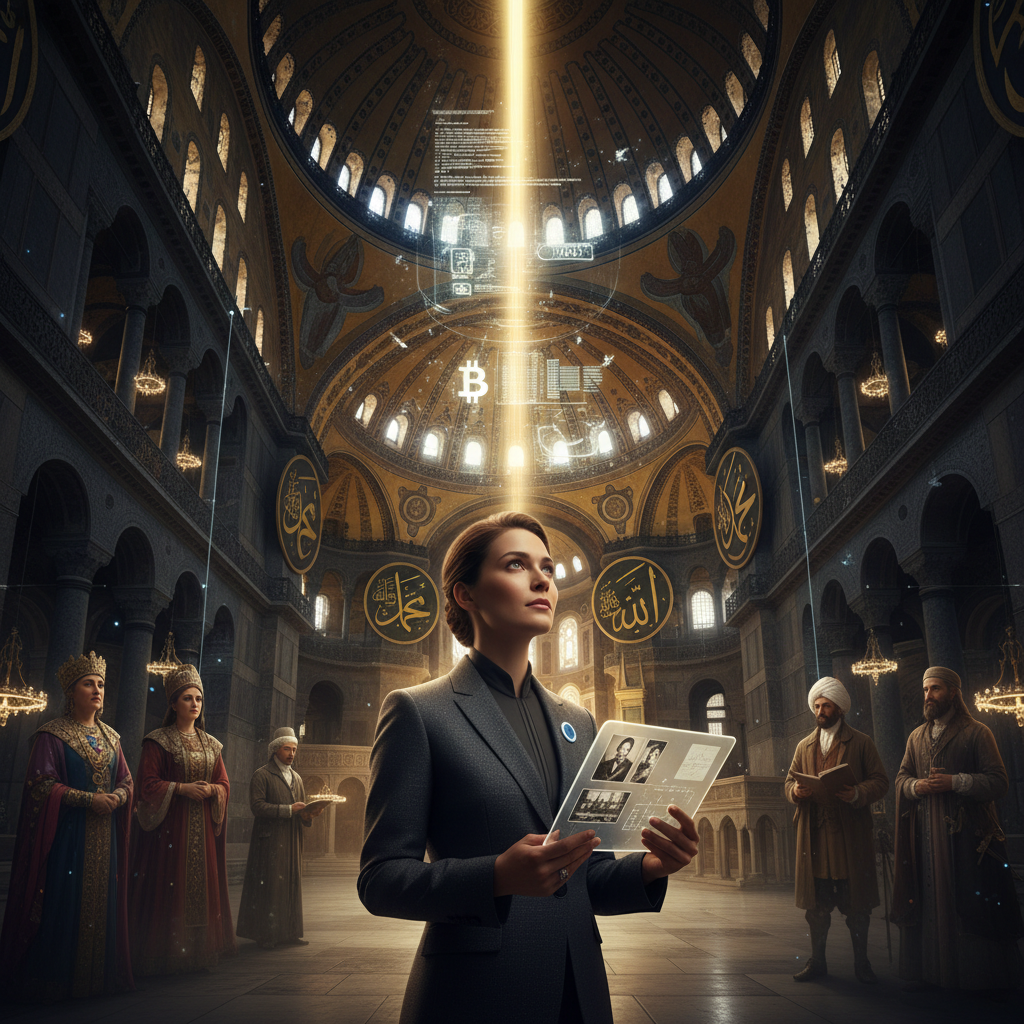
Hagia Sophia: A History of Art
Standing for centuries in the heart of Istanbul, Hagia Sophia, a unique synthesis of architecture and faith, is not just a structure but also an invaluable treasure in terms of Hagia Sophia: A History of Art. In this blog post, we will explore the stories of the mysterious traveling painters of the past who brought life to the walls and ceilings of Hagia Sophia, which continues to mesmerize visitors with all its splendor as of 2026, and the artistic depth of this unique masterpiece. When you visit Hagia Sophia as a tourist, every mosaic, every fresco you see will whisper a different story to you. Get ready, because this article will take you on a journey beyond time, into the art-infused soul of Hagia Sophia.
Hagia Sophia: A History of Art - The Magic of Byzantine Mosaics
One of the most striking aspects of Hagia Sophia's artistic heritage is undoubtedly its Byzantine mosaics. These mosaics, integrated into the spirit of the structure since Hagia Sophia's initial construction, adorned its walls and arches with a divine glow. While the earliest mosaics dating back to the Emperor Justinian period were largely destroyed during the iconoclastic period, even the later additions that have survived to this day are sufficient to reveal the artistic splendor of Hagia Sophia. This rich tapestry contributes significantly to Hagia Sophia: A History of Art.
Rebirth After the Iconoclastic Period
With the end of the iconoclastic period, Hagia Sophia began to be re-decorated with mosaics. These new period mosaics stand out with their more detailed, emotional, and symbolic narratives. Mosaics made especially in the 9th and 10th centuries reflect the golden age of Byzantine art. These mosaics depict not only religious figures but also emperors and empresses, offering important clues about the political and social structure of the period, further enriching Hagia Sophia: A History of Art.
- Deesis Mosaic: One of the most famous mosaics of Hagia Sophia. It depicts Jesus, the Virgin Mary, and John the Baptist together. The deep expression on the faces of the trio shows how advanced Byzantine art had become.
- Emperor Prostrate Before Leo VI Mosaic: This mosaic symbolizes the emperor's humility before God. It provides valuable information about the artistic preferences and religious beliefs of the period. For more on imperial figures of the era, see Hagia Sophia's Traveling Billionaires and Patrons.
- Empress Zoe and Constantine IX Monomachus Mosaic: This mosaic, depicting the emperor and empress offering their donations to Jesus, is one of the important examples of imperial portrait art of the period.
Ottoman Period and Its Effects on Hagia Sophia: A History of Art
With the conquest of Istanbul in 1453, Hagia Sophia was converted into a mosque. This conversion led to significant changes in the building's artistic identity. Christian iconography mosaics were either plastered over or left in certain areas in accordance with Islamic beliefs. However, this was not the end of Hagia Sophia's artistic story, but the beginning of a new chapter. During the Ottoman period, Hagia Sophia was enriched with magnificent examples of Islamic art, adding another layer to Hagia Sophia: A History of Art.
Unique Traces of Calligraphers and Tile Art
Ottoman architects and artists left their artistic imprint on Hagia Sophia. Calligraphy, in particular, manifested itself in important areas of Hagia Sophia such as the mihrab and minbar. Giant calligraphic panels transformed Quranic verses and the names of Allah into aesthetic masterpieces. This period is crucial for understanding Hagia Sophia: A History of Art.
- Calligrapher Kazasker Mustafa Izzet Effendi's Tablets: The eight giant calligraphic tablets inside Hagia Sophia are considered some of the largest calligraphy examples in the world. These tablets bear the names of Allah, Muhammad, the four caliphs, and Hz. Hasan and Hz. Huseyin.
- Mihrab and Minbar Art: The mihrab and minbar added during the Ottoman period are among the finest examples of stone carving and marble craftsmanship of their time. Detailed geometric patterns and floral motifs showcase the elegance of Islamic art. You can also explore Hagia Sophia's Mystical Lanterns, which add to the atmospheric beauty of these interiors.
- Ottoman Tiles: Iznik tiles added to some parts of the structure added a distinct vibrancy to Hagia Sophia's interior with their colors and patterns. Especially the blue and turquoise tiles reflect the aesthetic understanding of the period. For an unusual insight into period attire, consider Hagia Sophia's Traveler Fezzes.
Mysteries and Artistic Interpretations of Hagia Sophia's Frescoes
In addition to mosaics, frescoes can also be found in some parts of Hagia Sophia. These frescoes reflect the intricate craftsmanship of Byzantine wall painters and the religious narratives of the period. Although not as well preserved as the mosaics, even the remaining traces are invaluable historical documents, contributing to the rich narrative of Hagia Sophia: A History of Art.
Hidden Layers and the Evolution of Art Through Time
The walls of Hagia Sophia contain artistic layers from different periods. Sometimes Byzantine frescoes have been discovered under a layer of plaster, and sometimes different patterns under Ottoman additions. These layers reveal the transformations Hagia Sophia has undergone over centuries and the artistic understanding of each period.
Even in 2026, scientists and art historians continue to examine Hagia Sophia's mysterious layers. New discoveries are further deepening the impact of the structure on Hagia Sophia: A History of Art. For example, recently revealed little-known frescoes in some restored areas have opened new avenues for researchers, much like the potential for Hidden Manuscripts of Hagia Sophia. For more on the evolution of research into artistic design, a comprehensive resource can be found at the Metropolitan Museum of Art.
Contemporary Art and Hagia Sophia's Influence (2026 Perspective)
Hagia Sophia continues to be an artistic inspiration to this day. Even in 2026, many artists, writers, and architects continue to create works inspired by this unique structure. Hagia Sophia's architecture, lighting, and artistic details serve as a source of inspiration for contemporary art movements. It is a unique frame for photographers, an endless canvas for painters, and a masterpiece that teaches lessons to architects, all part of the ongoing Hagia Sophia: A History of Art.
Hagia Sophia's Importance as a Cultural Heritage
Hagia Sophia is not only a work of art but also an important part of the world's cultural heritage. This structure, listed on the UNESCO World Heritage List, represents the culture of coexistence of different civilizations and beliefs. Visitors have the opportunity to see artistic traces from different time periods of the past together in Hagia Sophia. To learn more about UNESCO's approach to cultural heritage preservation, visit the UNESCO World Heritage Centre.
When you visit Hagia Sophia as a tourist, remember that there is a story behind every detail you see. Every mosaic, every calligraphic work, every column carries a message from hundreds of years ago. These messages are key to understanding and appreciating Hagia Sophia: A History of Art.
Pay Attention to Artistic Details When Visiting Hagia Sophia
When visiting Hagia Sophia, focusing not only on its grandeur and general atmosphere but also on its artistic details will greatly enrich your experience. Guided tours or audio guides can help you understand the stories of different mosaics, frescoes, and calligraphic works, deepening your appreciation for Hagia Sophia: A History of Art.
Overlooked Artistic Treasures
- Column Capitals: Some of the column capitals dating from the Roman period stand out with their fluted and carved details. Each is a work of art in itself.
- Marble Panels: The colored marble panels used on the floor and walls create an artistic tableau with their natural patterns. Especially the 'book patterns' formed by the symmetrical placement of colored marble, have been an important element of Byzantine aesthetics.
- Light Streaming Through Windows: Especially near sunset, the light streaming through Hagia Sophia's numerous windows illuminates the mosaics and frescoes in the interior in a different dimension, almost bringing them to life. This is an artistic experience in itself, much like the Hagia Sophia's Mystical Water Sounds.
In conclusion, Hagia Sophia is not only a unique architectural marvel but also a profound museum in terms of Hagia Sophia: A History of Art. It embodies the artistic aesthetics of every period, from Byzantine mosaics to Ottoman calligraphy. This richness continues to mesmerize visitors from all over the world even in 2026. On your next visit to Istanbul, don't forget to allocate more time to explore the artistic soul of Hagia Sophia and its incredible Hagia Sophia: A History of Art.