Hagia Sophia's Mystical Lanterns: Illuminating Tales and Enigmatic Lamps from the Past to 2026
Hagia Sophia's history of lighting is one of its most intriguing aspects. This magnificent structure, a cornerstone of cultural heritage, has hosted countless civilizations. From Byzantine empires to 2026, every corner tells a tale through its enigmatic lamps. Discover the compelling narrative behind its mystical illumination.
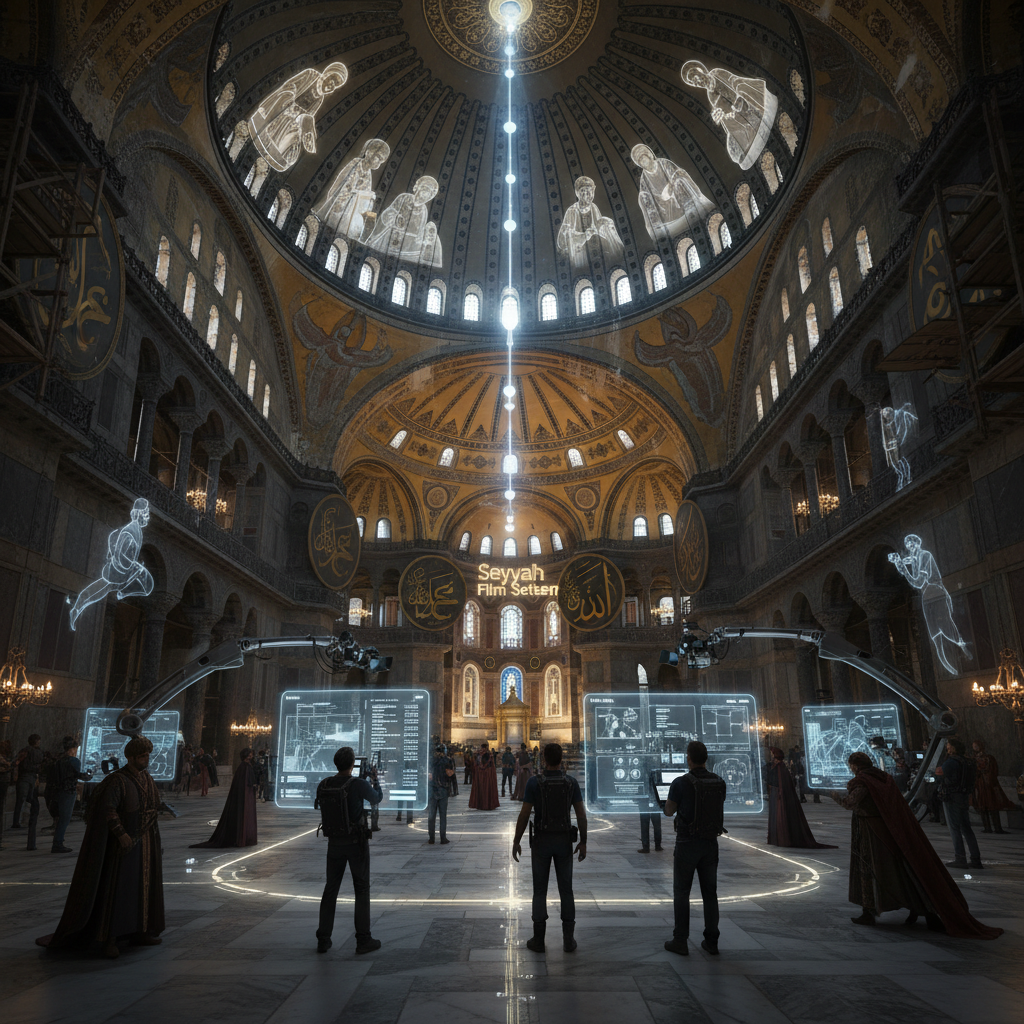
Hagia Sophia's Mystical Lanterns: Exploring the Ayasofya Aydınlatma Tarihi (Lighting History) from Past to 2026
Hagia Sophia, a unique monument of architectural genius and world history, has hosted many civilizations for centuries. While every corner of this magnificent structure tells a different story, the Ayasofya aydınlatma tarihi (lighting history of Hagia Sophia) is one of its most intriguing aspects. This journey, extending from the Byzantine Empire to the Ottoman era and up to 2026, vividly traces the evolution of illumination, reflecting different faiths and periods. This article unravels the secrets behind the mystical lanterns, oil lamps, and modern systems that illuminate Hagia Sophia. As a visitor, understanding these lighting details will deepen your appreciation for the structure's profound atmosphere.
From Ancient Times to Byzantium: The Dawn of Hagia Sophia's Lighting
The initial lighting systems of Hagia Sophia date back to its origins as a basilica. Although the architecture itself was a marvel of natural illumination, artificial lighting always played a crucial role. Specifically, the numerous windows in the apse, nave, and side aisles allowed ample daylight. However, artificial light was essential for evenings or dim days.
During the Byzantine period, the Ayasofya aydınlatma tarihi was primarily shaped by oil lamps and candles. Key lighting tools from this era included:
- Oil Lamps: Typically small lamps, crafted from bronze or clay, burning olive oil. These were both portable and wall-mounted.
- Polykandelia (Multiple Lamps): These large, often circular or cross-shaped chandeliers, held many small lamps. They were strategically hung near the main dome or under arches to illuminate larger spaces. For more on the hidden spiritual elements of the structure, explore Hidden Sacred Spaces in Hagia Sophia.
- Candles: Primarily used during special ceremonies and religious rituals, candles held both practical and symbolic importance.
While these early lighting solutions appear simple compared to today's electric systems, they were highly effective in creating a mystical and magnificent ambiance. Imagine the divine feeling these ancient light sources evoked within Hagia Sophia's dim, sacred space. To understand the broader historical context, you might also be interested in the UNESCO World Heritage listing for Hagia Sophia.
Symbolic Meaning of Light in Byzantium
In the Byzantine era, light was more than mere illumination; it symbolized divine presence, sanctity, and heaven. The lighting arrangements in Hagia Sophia were meticulously designed to reinforce this profound symbolic meaning. Both natural and artificial lighting aimed to provide a deeply spiritual experience for worshippers. The symbolism of light is also echoed in the universal language of geometric patterns and symbols within Hagia Sophia's architecture.
Ottoman Period and Mystical Lamp Chains: A New Chapter in Hagia Sophia's Lighting
Following Istanbul's conquest in 1453, Hagia Sophia was converted into a mosque. Consequently, the Ayasofya aydınlatma tarihi acquired a new dimension. Ottoman sultans, while preserving Hagia Sophia's splendor, introduced significant enhancements to meet the needs of an Islamic place of worship. Lighting systems were paramount among these additions.
Ottoman-era lighting continued with oil lamps, much like in Byzantium, but their number and arrangement significantly increased. Specifically, massive lamp chains, central to mosque interiors, became a defining feature of Hagia Sophia. These chains were strategically placed to evenly illuminate areas where worshippers stood in rows.
- Massive Lamp Globes: Large metal globes, typically made of iron or brass, hung from the main dome and arches. They contained hundreds of small oil lamps, creating an impressive visual display.
- Illumination of the Sultan's Loge and Mahfils: Special areas designated for the Sultan, muezzins, and other important figures were illuminated with more elegant chandeliers or custom-designed lamps.
- Integration with Interior Design: Lighting fixtures were often adorned with intricate embroidered or carved details, harmonizing with Hagia Sophia's overall ornamentation and architecture. This attention to detail extends to other elements, such as the mysterious textiles, carpets, and spiritual threads that adorn Hagia Sophia.
During the Ottoman period, lighting served not only a functional purpose but also an aesthetic and religious one. The remnants of these lamp globes, still visible today, reflect the technological and artistic understanding of that era. Thousands found peace and worshipped under these lights during Hagia Sophia's time as a mosque.
Scent and Light: An Ottoman Sensory Experience
Ottoman lamps provided light and created a pleasant atmosphere through fragrant essences placed within them. Notably during Ramadan or special nights, this combination of scent and light offered an unforgettable sensory experience. This demonstrates that the Ayasofya aydınlatma tarihi encompassed a sensory depth, not just a visual one.
The 20th Century: Embracing Electric Lighting in Hagia Sophia
The 20th century brought a global technological revolution, which also transformed Hagia Sophia's lighting systems. When Hagia Sophia became a museum in 1935, a modern and efficient lighting system naturally became necessary. During this period, electric lighting systems progressively replaced traditional oil lamps.
The modernization process introduced these lighting technologies:
- First Electric Lamps: Initially, simple light bulbs and chandeliers were used for general illumination. Although somewhat insufficient for the structure's monumental size, they marked significant progress.
- Periodic Restorations and Lighting Contributions: Throughout its museum years, lighting systems were reviewed and enhanced during various restoration projects. More powerful lamps, spotlights, and ambient lighting solutions were added.
- Highlighting Artworks: Special lighting techniques were employed to draw visitors' attention to mosaics and other valuable artworks. This marked a new aesthetic and conservation-focused approach in the Ayasofya aydınlatma tarihi.
The shift to electric lighting allowed Hagia Sophia's interior to be illuminated with greater detail and uniformity. This significantly improved visitors' ability to appreciate the architectural features and artworks. Nevertheless, preserving the mystical ambiance created by traditional lighting remained a paramount goal. For further reading on the history of electric lighting, you can refer to sources like the US Department of Energy's history of the light bulb.
Balancing Lighting and Conservation
When designing modern lighting systems, it is crucial that the light intensity and spectrum do not harm the historical structure or sensitive artworks. Therefore, recent lighting projects in Hagia Sophia have meticulously balanced visitor experience with conservation principles.
2020 and Beyond: Current Lighting Technologies and Hagia Sophia's Identity
In 2020, with Hagia Sophia's return to mosque status, and as we continue into 2026, its lighting systems have once again garnered significant attention. Today, energy efficiency and environmentally friendly technologies are paramount. Hagia Sophia's lighting continues to be updated in line with these principles, ensuring the Ayasofya aydınlatma tarihi makes use of the latest technological advancements.
As of 2026, current and planned lighting solutions for Hagia Sophia include:
- LED Lighting Systems: LED lamps, renowned for their energy efficiency and longer lifespan compared to traditional bulbs, are widely used. They provide general illumination and highlight specific details. The color temperature and brightness control offered by LED technology allow for creating the desired atmosphere in different areas.
- Smart Lighting Management Systems: Integrated central control systems automatically adjust lighting levels according to the time of day, prayer times, and special events. This intelligent approach yields both energy savings and operational flexibility.
- Exterior Lighting: Hagia Sophia's exterior facade is also illuminated with special projectors and LED lighting, creating a magnificent silhouette at night. This offers an unforgettable visual spectacle for visitors, especially tourists.
- Solutions Preserving Mystical Atmosphere: Even with modern technology, significant effort has been made to preserve the building's historical mystical and spiritual ambiance. The large lamp globes from the Ottoman period are generally maintained as decorative elements, sometimes enhanced with internal LED lighting.
When you visit Hagia Sophia today, you will witness the massive lamp chains, vestiges of the past, alongside the brightness and efficiency of modern technology. This truly exemplifies the continuous evolution of the Ayasofya aydınlatma tarihi.
Future Lighting Plans
For the future, environmentally conscious, sustainable, and artistically integrated lighting projects for Hagia Sophia remain a priority. Developing solutions that respect the building's history and architecture while enhancing the visitor experience are primary goals. Energy optimization and reducing the carbon footprint are also critical considerations for 2026 and beyond. Research into the latest advancements in historical building illumination demonstrates the ongoing commitment to preservation and thoughtful integration of modern technology, as highlighted by resources such as ICOMOS's guidelines on lighting in historic buildings.
The Light of Hagia Sophia: A Continuing Heritage
Hagia Sophia is more than just an architectural marvel; it is a profound reflection of the beliefs and aesthetic understandings of diverse civilizations over centuries. The Ayasofya aydınlatma tarihi offers one of the clearest examples of this rich cultural layering. This remarkable journey, from ancient oil lamps, candles, and massive Ottoman lanterns to today's sophisticated modern LED systems, powerfully illustrates humanity's ongoing quest for light within this sacred structure.
As a tourist exploring Hagia Sophia, we encourage you to look beyond its walls and pay close attention to the light sources that illuminate it. Each lighting detail will transport you to a different era, revealing the sacred atmosphere of Hagia Sophia. In 2026, these lights, like whispers from the past, continue to tell Hagia Sophia's mystical and magnificent stories to every visitor.
The light of Hagia Sophia, much like the structure itself, is destined to shine as long as human history endures.