Hagia Sophia's Mysterious Textiles: Stories in Carpets and the Spiritual Threads of Fabrics from the Past to 2026
Hagia Sophia, a timeless architectural marvel, holds countless stories within its walls. Among the most significant are those woven into its carpets. These ancient textiles are not merely floor coverings but spiritual threads connecting past and present, offering unique insights into history, especially as we reflect in 2026.
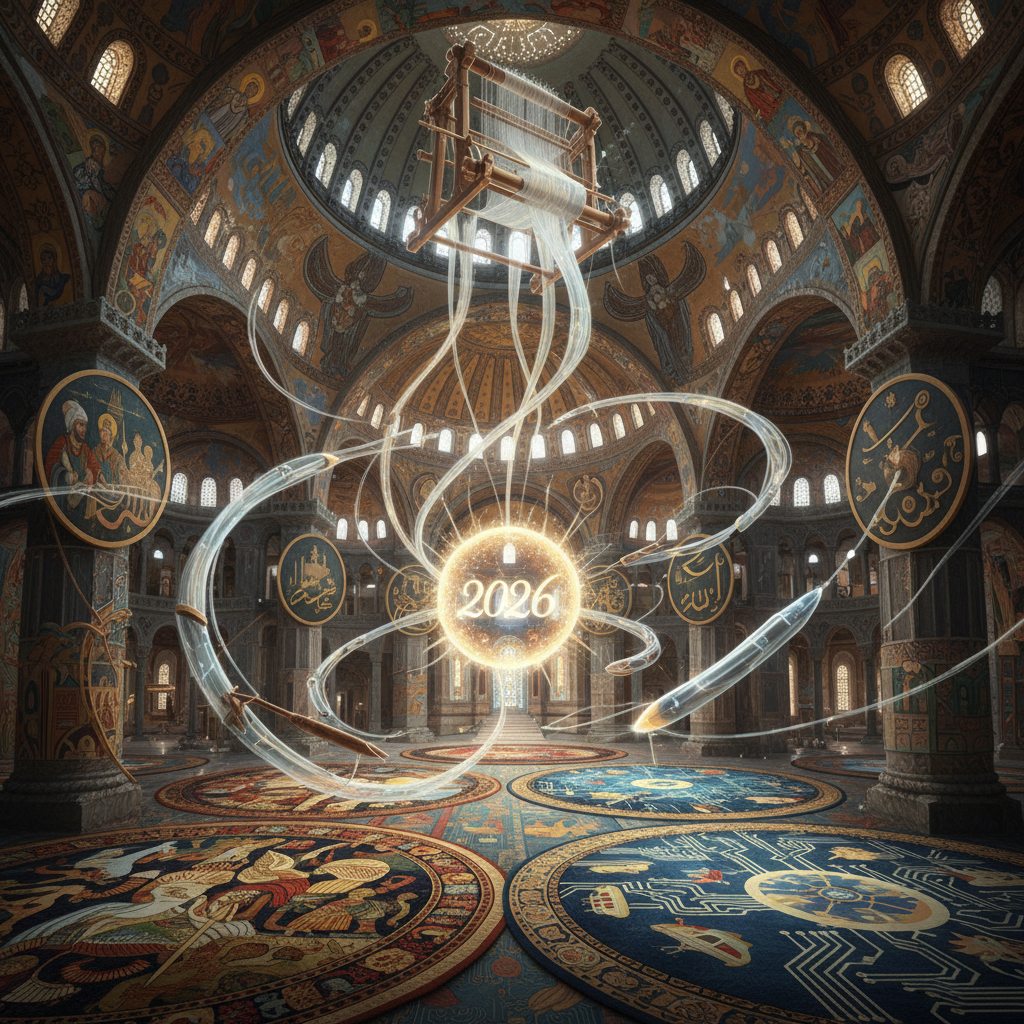
Hagia Sophia Carpets: Stories Woven into Ayasofya Halıları from Past to Present (2026)
Hagia Sophia has stood for over a thousand years as one of humanity's greatest architectural and cultural masterpieces. While every corner, stone, and fresco of this sacred space tells a distinct story, the Hagia Sophia Carpets, or Ayasofya halıları, are among the most important elements where these stories are woven into the very fabric of the building. As we reach 2026, the historical depth and contemporary significance of these unique carpets continue to fascinate visitors. In this article, we will explore the journey of the carpets that complete the mystic atmosphere of Hagia Sophia, from their origins to the present day, focusing on the enduring legacy of Hagia Sophia Carpets.
Hagia Sophia Carpets: Historical Journey and Early Designs
Throughout Hagia Sophia's long history as a church, mosque, and museum, the Hagia Sophia Carpets used within it have borne the traces of different periods. Significantly, the first carpets from the Byzantine era were adorned with rich patterns reflecting imperial grandeur. Most of these early carpets were used during church religious ceremonies and important imperial events.
After Fatih Sultan Mehmet converted Hagia Sophia into a mosque in 1453, a new tradition of specific carpet-laying began. During this period, specially designed carpets were produced, particularly those reflecting the strong artistic understanding of the Ottoman state. These carpets indicated the mihrab and qibla, becoming more than just a flooring element; they became an integral part of the mosque's spiritual identity. For further insights into the architectural intricacies, consider exploring articles on Hagia Sophia's Hidden Codes: The Universal Language of Geometric Patterns and Symbols (2026).
Ottoman Era Hagia Sophia Carpets: Art and Spirituality Intertwined
During the Ottoman Empire, carpets specially woven for Hagia Sophia were meticulously prepared by the era's most skilled carpet weavers. These intricate Hagia Sophia Carpets often featured exquisite floral motifs, geometric patterns, and fine examples of calligraphy. Indeed, the color choices also reflected the aesthetic understanding of the period and the harmonious color scheme within Hagia Sophia's interior architecture.
- Uşak Carpets: Especially in the 16th and 17th centuries, carpets woven in Uşak constituted some of Hagia Sophia's most magnificent carpets. These grand carpets stood out with their large designs featuring central medallions and rich color palettes.
- Palace Carpets: Similarly, carpets specially commissioned at Topkapi Palace were also sent to Hagia Sophia. These examples demonstrate the high quality of the palace's art and craftsmanship workshops.
- Technical Specifications: The Hagia Sophia Carpets of the period were generally woven from wool yarn using the Ghiordes or Turkish knot technique. These robust techniques ensured the durability of the carpets and the clarity of their patterns. For more on the artisans and their contributions, see our piece on Hagia Sophia's Traveling Artisan Women: Touches and Tales from the Past to 2026.
Hagia Sophia Carpets: From Museum to Mosque (2026 Perspective)
With Hagia Sophia's conversion into a museum in 1934, significant changes also occurred in the carpet arrangements inside. During the museum period, some Hagia Sophia Carpets were removed or stored in special depots to preserve the historical fabric. During this time, certain arrangements were made to allow visitors to better see the Byzantine mosaics.
However, with Hagia Sophia's reopening for worship as a mosque in 2020, the historical carpet tradition has returned. Consequently, with this transformation, new carpets that are suitable for the mosque community, hygienic, and aesthetically pleasing have been laid. These new Hagia Sophia Carpets have been designed with a modern interpretation that carries the splendor of the past into the future.
Current Hagia Sophia Carpets Gracing Hagia Sophia's Floor in 2026
Today, the Hagia Sophia Carpets covering the floor of Hagia Sophia are specially woven in Turkey. These remarkable carpets reinterpret Hagia Sophia's history with colors and patterns appropriate to its spiritual essence. Specifically, green tones and traditional motifs of Islamic art are used to create a serene and spiritual atmosphere. As of 2026, visitors to Hagia Sophia can experience both the aesthetic beauty of these carpets and the comfort they offer for worship.
- Material and Weaving: Current Hagia Sophia Carpets are specially woven from high-quality wool, designed to be durable and long-lasting.
- Color and Pattern: Turquoise and sea green tones have been particularly favored, contributing to the bright and spacious appearance of the interior. Ottoman period motifs have been reinterpreted with a modern touch.
- Hygiene and Maintenance: Designed to withstand heavy visitor traffic, these carpets are easy to clean and possess anti-bacterial properties, ensuring a clean environment.
Cultural and Spiritual Significance of Hagia Sophia Carpets
The Hagia Sophia Carpets are not merely floor coverings; they are also important symbols that reflect Hagia Sophia's multi-layered history and profound cultural identity. These beautiful carpets serve as a bridge stretching from the imperial grandeur of Byzantium to the Islamic art of the Ottomans, and from there to the rich cultural heritage of modern Turkey. Truly, every pattern and every knot whispers a story from the past. You can explore more about mystical elements in the architecture by reading about Hidden Sacred Spaces in Hagia Sophia: Mysterious Traces of Multi-layered Communities from the Past to 2026.
For the Muslim community, carpets are an integral part of worship; they provide a clean surface for prostration, while also creating a spiritual focal point. For visitors, these Hagia Sophia Carpets are aesthetic and historical values that deepen Hagia Sophia's spiritual atmosphere and reinforce the sanctity of the space. In 2026, everyone who comes to Hagia Sophia experiences the privilege of touching a legacy from centuries past as they walk on these iconic carpets. To understand the broader context of Turkish carpet weaving, you might find valuable information from resources like the Turkish Culture Foundation on Turkish Carpets.
Preservation of Hagia Sophia Carpets for Future Generations
The preservation of carpets within a historical and cultural heritage site like Hagia Sophia is of paramount importance. The restoration of old carpets and the meticulous maintenance of new ones play a critical role in transmitting this unique cultural richness to future generations. Expert teams regularly clean the Hagia Sophia Carpets, repair worn parts, and monitor their general condition. These meticulous efforts ensure that Hagia Sophia maintains both its aesthetic and functional integrity.
In the future too, Hagia Sophia Carpets will continue to undergo regular maintenance and renewal processes, in accordance with the changing status of the structure and visitor intensity. In this way, the sacred ground of Hagia Sophia will always be clean, aesthetic, and conducive to a spiritual atmosphere. For further reading on preservation efforts for textile arts, the Metropolitan Museum of Art's collection of historical textiles offers excellent context on textile preservation.
Hagia Sophia Carpets: A Visitor's Perspective in 2026
A visit to Hagia Sophia is not only seeing an architectural masterpiece but also taking one on a journey touched by history and profound spirituality. The Hagia Sophia Carpets that greet you as you step inside, that you feel beneath your feet, are an integral part of this immersive experience. In this space surrounded by high ceilings, intricate mosaics, and enormous columns, the carpets form a serene and peaceful floor that unifies the entire space.
As a tourist exploring Hagia Sophia, feeling the soft texture of the carpets and contemplating the stories of their patterns allows you to form a deeper connection with the spirit of this revered place. Especially during prayer times, watching the congregation kneeling on these Hagia Sophia Carpets in peace is one of the most beautiful examples of how a multicultural heritage is kept alive. For anyone planning to visit Hagia Sophia in 2026, the carpets will undoubtedly be an important stop on the way to the heart of this unique structure. This experience is akin to discovering Hidden Manuscripts of Hagia Sophia: A 2026 Discovery of Millennia-Old Wisdom, where every detail reveals layers of history.
In conclusion, the Hagia Sophia Carpets are silent witnesses to Hagia Sophia's magnificent history and ongoing cultural evolution. From the imperial grandeur of the Byzantine period to the spiritual richness of the Ottomans and the modern interpretation of present-day Turkey, each period has left its indelible mark on these carpets. For visitors, these carpets are not just decorative elements but also an important gateway to feel the profound spirit and narrative of Hagia Sophia.