Hidden Manuscripts of Hagia Sophia: A 2026 Discovery of Millennia-Old Wisdom
Hidden for centuries, the Hagia Sophia manuscripts have long been a subject of speculation. As of 2026, new discoveries are shedding light on these invaluable historical treasures, promising to unveil millennia-old wisdom and redefine our understanding of Istanbul's iconic landmark. Explore the fascinating history and ongoing revelations.
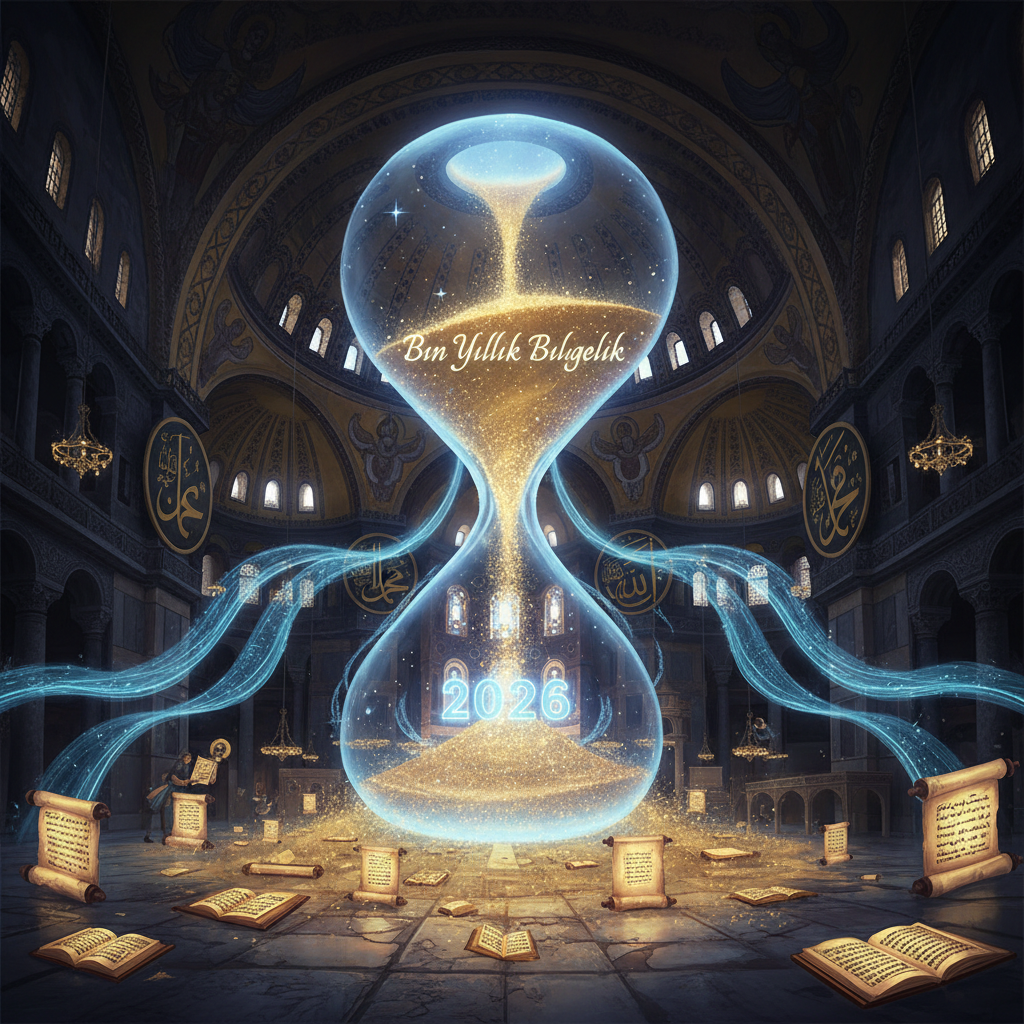
Ayasofya El Yazmaları: Hidden Manuscripts in Hagia Sophia: A 2026 Discovery of Millennial Wisdom
Rising in the heart of Istanbul, standing for over a thousand years and witnessing centuries of change, Hagia Sophia has a fascinating history. This history is not only due to its iconic architecture but also the invaluable treasures it houses. Foremost among these treasures are the Ayasofya el yazmaları, meticulously preserved for centuries and still holding their secrets from today's researchers. As we arrive in 2026, new discoveries and technological analyses concerning these unique works promise a true journey through time for history enthusiasts and tourists. In this article, therefore, we will examine in detail the importance, history, and current place of these manuscripts hidden deep within the Hagia Sophia.
For more insights into the artistic and historical layers of Hagia Sophia, explore Hagia Sophia's Mysterious Hues: Pigment Whispers and Artistic Identity from the Past to 2026.
Ayasofya El Yazmaları: A Historical Journey Through Time
The libraries and archives of the Hagia Sophia have hosted a rich collection reflecting the accumulated knowledge of different civilizations. This long journey spans from the Roman Empire to Byzantium, and then to the Ottoman Empire. Throughout these periods, Hagia Sophia functioned as both a place of worship and a center of knowledge. Consequently, the Ayasofya el yazmaları collected during these eras are works written in various languages, including Latin, Greek, Arabic, and Persian. These manuscripts contain valuable information across many fields such as religion, science, philosophy, literature, and medicine.
Byzantine Era Manuscripts: A Glimpse into Ancient Knowledge
During the Byzantine Empire, the Hagia Sophia owned one of the largest libraries in Constantinople. It contained not only copies of ancient Greek and Roman works but also important texts on Christian theology and Byzantine history. These manuscripts reveal the artistic and intellectual level of the period. Especially, richly illustrated biblical texts and patristic writings used in religious ceremonies offer invaluable information about Byzantine art and belief systems.
- Works of ancient Greek philosophers
- Theological texts from the early Christian period
- Chronicles and laws of Byzantine emperors
- Codices containing information on medicinal herbs and medicine
Ottoman Period and Waqf Libraries: Continuing a Legacy
After the conquest of Istanbul, Hagia Sophia was converted into a mosque, and the library tradition was continued by the Ottoman Sultans. Fatih Sultan Mehmet transformed Hagia Sophia into a waqf (endowment) building, adding new books and preserving existing manuscripts. In later periods, especially, the libraries of Sultan Murad III and Sultan Mahmud I became important centers of knowledge within the Hagia Sophia. These libraries housed Arabic, Persian, and Turkish Ayasofya el yazmaları on various branches of Islamic sciences.
- Copies of the Quran and their commentaries (tafsir)
- Hadith collections and their commentaries (sharh)
- Works on Islamic philosophy and Kalam
- Ottoman history, literature, and divans
- Works on science disciplines such as medicine, astronomy, and mathematics
Why Are Ayasofya El Yazmaları So Important?
The manuscripts found in Hagia Sophia are not merely objects sitting on museum shelves. Indeed, they are living testimonies reflecting the thought patterns, scientific accumulation, artistic talents, and humanity's eternal quest for knowledge across past civilizations. Through these works, we build bridges between the past and present, finding an opportunity to understand our history more deeply. Especially in 2026, advancing digitalization and restoration techniques are opening new horizons for the preservation and research of these works.
Scientific and Cultural Value of the Manuscripts
These manuscripts are an invaluable treasure trove for historians, linguists, theologians, art historians, and scientists. The information they contain allows for detailed insights into the political structures, social norms, religious beliefs, and even daily life practices of the period. Furthermore, some Ayasofya el yazmaları may contain the only copies of ancient works that are now lost or incomplete. This multiplies their rarity and value significantly.
For example, some Byzantine theological texts illuminate unknown aspects of early Christian rituals. Meanwhile, Ottoman-era medical manuscripts offer original insights into the treatment methods and concepts of healing of the period. To delve deeper into the scholarly pursuit of these texts, consider reading about Hagia Sophia's Traveling Scholars: From Ancient Manuscripts to 2026 Digital Archives.
Spiritual and Mystical Dimension of Ayasofya El Yazmaları
Like Hagia Sophia itself, its manuscripts carry a profound spiritual aura. Works written or preserved within the walls of this structure, which has been at the center of different belief systems for centuries, take the reader on a mystical journey. Each page reflects the patience, dedication, and knowledge of the scribe who wrote it. Thus, these manuscripts contain not only knowledge but also the spirit of the era in which that knowledge was created.
Religious texts, in particular, were used for worship and considered sacred. This bestows upon them not only historical but also a deep spiritual meaning, making the Ayasofya el yazmaları truly unique.
Work on Ayasofya El Yazmaları in 2026: Modern Preservation Efforts
Today's technology offers unprecedented opportunities to preserve and understand these valuable legacies of the past. As of 2026, research on Ayasofya el yazmaları has made significant progress in terms of both physical preservation and digital accessibility.
High-Resolution Digitization Projects: Global Access
As in many museums and libraries, manuscripts located within or associated with Hagia Sophia are subject to high-resolution digitization projects. These projects ensure that the works are transferred to future generations without deterioration, while also making them accessible to researchers and enthusiasts worldwide. Detailed images of these works can now be examined from anywhere, and text analyses can be performed.
Materials Science and Restoration Techniques: Extending Lifespans
The preservation of manuscripts is a field requiring specialized expertise. Paper, parchment, ink, and binding techniques tend to deteriorate over time. As of 2026, using nanotechnology and advanced chemical analysis methods, the material structure of manuscripts is better understood, and restoration processes are becoming more effective. This extends the lifespan of the works and preserves their original textures.
- PH level analysis and acid neutralization
- Restoration of damaged pages with replication techniques
- Climate control and special storage conditions
AI-Powered Paleography and Text Analysis: New Discoveries
Artificial intelligence (AI) technologies are revolutionizing the field of paleography, which is the study of ancient writing. AI algorithms are especially used for the rapid and accurate reading, transcription, and translation of manuscript texts. This enables researchers to work more efficiently with large collections, such as the thousands of pages of Ayasofya el yazmaları. AI recognizes texts in different languages and writing styles, accelerating analysis and enabling new discoveries.
How Can Visitors Experience Ayasofya El Yazmaları?
For tourists and history enthusiasts visiting Hagia Sophia, experiencing these invaluable manuscripts now means much more than just looking at works on library shelves. Thanks to modern museum practices and digital tools, there are different ways to interact with these works.
Virtual Reality and Augmented Reality Experiences
In exhibitions within Hagia Sophia or in specialized museums, virtual reality (VR) and augmented reality (AR) applications offer visitors the opportunity to examine virtual copies of manuscripts. Through these technologies, pages of the works can be turned, detailed miniatures can be viewed closely, and even translations of some texts can be instantly displayed on screen. These interactive experiences make learning about Ayasofya el yazmaları enjoyable and accessible. For a broader appreciation of how technology enhances our understanding of ancient sites, explore the Google Arts & Culture platform, which hosts numerous digital archives and virtual tours.
Special Exhibitions and Seminars: Deeper Understanding
From time to time, important manuscripts belonging to or associated with Hagia Sophia are presented to the public in special themed exhibitions. These exhibitions are usually organized in collaboration with a library or museum and allow for a close viewing of the works, even if for a limited time. Additionally, seminars and conferences given by experts on manuscripts provide visitors with the opportunity to learn about the historical, scientific, and cultural importance of these works. Some events even touch upon Hidden Prophecies and Future Visions in Hagia Sophia: Ancient Secrets Unlocked in 2026.
Digital Library and Archive Access: Worldwide Availability
Some Ayasofya el yazmaları are available online on the digital library platforms of different institutions and foundations. Through these platforms, anyone, anywhere in the world, can examine these valuable works from their own computer or mobile device. High-resolution scans, detailed catalog information, and in some cases even text transcriptions provide great convenience for researchers and enthusiasts. Major research institutions such as the British Library also offer extensive digital manuscript collections; you can explore their digitized manuscripts here.
Conclusion: Ayasofya El Yazmaları Illuminate the Future
The Ayasofya el yazmaları hidden within its walls are a bridge of knowledge from past to present. They represent a significant cultural heritage and living evidence of humanity's intellectual journey. As of 2026, technological advancements are opening new doors for the preservation, deciphering, and worldwide sharing of these invaluable works.
These manuscripts contain not only paper and ink but also thousands of years of wisdom, belief, art, and science. They are the silent witnesses of Hagia Sophia's glorious history and will continue to inspire us to understand the past and shape the future. Every history enthusiast and tourist visiting Hagia Sophia, aware of the existence of these unique manuscripts, will experience that this great structure is not just an architectural marvel, but also a living library of knowledge. Information on other significant historical manuscripts can be found at the Library of Congress Manuscript Division.
Preserving these works and passing them on to future generations is not just a scientific duty but also a cultural responsibility. The Ayasofya el yazmaları are an important part of humanity's collective memory. Each page whispers to us the wisdom of the past and hopes for the future, truly an enduring legacy.