Hagia Sophia's Traveler Fezzes: Whispers of Historic Headwear and Forgotten Identities in 2026
As we enter 2026, Hagia Sophia continues to captivate. Among its many historical facets, the culture of Hagia Sophia fezzes stands out, offering a glimpse into historic headwear and forgotten identities. These iconic fezzes, once significant, have gradually faded from contemporary memory, leaving behind a compelling narrative.
Hagia Sophia Fezzes: Whispers of Historic Headwear and Forgotten Identities in 2026
As we enter 2026, Hagia Sophia, standing for centuries in the heart of Istanbul, continues to captivate visitors with its architecture and elements carrying mysterious traces of the past. One such element is the culture of Hagia Sophia Fezzes, which held significant historical importance for Hagia Sophia but has gradually faded from memory. This article thoroughly examines the historical depth and contemporary echoes of these special headwear items. We highlight the role fezzes played in understanding the soul of Hagia Sophia, offering an unforgettable experience for all visitors.
The Historical Journey and Cultural Significance of Hagia Sophia Fezzes
The fez has long been a symbol of the Ottoman Empire. Its presence in Hagia Sophia, one of the empire's most significant structures, provides a critical clue to understanding the building's multi-layered history. Throughout each period of Hagia Sophia's existence, hosting various religions, cultures, and administrations, fezzes carried different meanings. These headwear items were not merely articles of clothing; they served as statements of identity, socio-cultural symbols, and even tools of resistance. For instance, understanding the broader universal language of geometric patterns and symbols within Hagia Sophia provides further context for these cultural statements. The story of Hagia Sophia Fezzes is deeply intertwined with this rich tapestry.
During the Ottoman period, when Hagia Sophia served as a mosque, fezzes were widely used among the congregation and officials. Fezzes were an important element reflecting a person's social status, profession, and even religious identity. Recalling these historical headwear items in 2026 is a tribute to Hagia Sophia's rich past. Furthermore, understanding the various uses of Hagia Sophia Fezzes enriches our appreciation of the site. Much like Hagia Sophia's traveling artisan women left their unique marks, these fezzes tell stories of past societies.
The Fez and its Social Status in the Ottoman Empire
- Fez in the Palace and Administration: Worn by sultans, viziers, and high-ranking state officials, the fez represented authority and prestige. Important figures who worshipped or served in Hagia Sophia also wore fezzes.
- Fez and the Public: Widely used among the general populace, the fez was preferred in both daily life and on special occasions. It was common to see people wearing fezzes among visitors and worshippers in Hagia Sophia, underscoring its broad appeal.
- Fez and Religious Identity: Particularly as a symbol of Muslim identity, the fez also carried a strong religious significance during the periods when Hagia Sophia was a mosque. This highlights the multifaceted role of Hagia Sophia Fezzes.
The Evolution and Decline of Hagia Sophia Fezzes
During the periods when Hagia Sophia served as a museum, the use of fezzes naturally decreased. Traditional attire gave way to modern clothing. However, today, the revival of fezzes for tourist purposes or cultural events demonstrates a renewed interest in the past. In 2026, tracing the footsteps of these historical headwear items during your visit to Hagia Sophia means following the traces of not just a building, but an entire civilization. Thus, the story of Hagia Sophia Fezzes continues to unfold. This evolving narrative parallels the recent interest in hidden manuscripts and millennia-old wisdom being discovered within the Hagia Sophia archives.
Experiencing Fez Culture During Your Visit to Hagia Sophia: A 2026 Guide
When visiting Hagia Sophia, it is important to understand that this unique structure is more than just walls and a dome. It is a living museum where every corner tells a story and every stone holds whispers of the past. Hagia Sophia Fezzes constitute a significant part of these whispers. We offer a few suggestions for visitors to experience this culture firsthand:
- Explore Fezzes in Local Markets: You can find shops selling traditional fezzes in historic places like the Grand Bazaar or the Spice Bazaar. This is an excellent opportunity to acquire a souvenir and witness fez culture up close, connecting with the legacy of Hagia Sophia Fezzes.
- Watch Historical Documentaries: By watching documentaries about Hagia Sophia and the Ottoman era, you can enjoy a visual feast of how fezzes were used in that period, enhancing your understanding of their context.
- Join Guided Tours: Some specialized tours delve deeper into the cultural aspects of Hagia Sophia. These tours often provide more information about symbolic elements like fezzes, bringing the history of Hagia Sophia Fezzes to life.
Remember, fully experiencing Hagia Sophia means understanding its spirit and its connection to the past, not just seeing its walls. Fezzes are an important part of this historical connection. To further enrich your understanding, consider exploring the Museum With No Frontiers Islamic Art collection to see broader examples of Ottoman textiles and attire that contextualize the fez.
Mystical Stories and Legends Related to Hagia Sophia Fezzes
Like any historical building, Hagia Sophia harbors many mystical stories and legends that add a mysterious dimension to its captivating atmosphere. Hagia Sophia Fezzes have also been the subject of some of these legends, further embedding them in the building's lore.
It is rumored that when Hagia Sophia was converted into a mosque, the prayers of those wearing fezzes during the first Friday prayer were more readily accepted. Another story suggests that fezzes were believed to have a special protective power in places where sacred relics were allegedly kept. These stories attributed a spiritual value to fezzes beyond being just headwear. For those visiting Hagia Sophia in 2026, knowing such stories will allow them to view the place from a different perspective, enriching their understanding of Hagia Sophia Fezzes. This echoes the broader narratives of hidden prophecies and future visions often associated with Hagia Sophia.
One of the Most Well-Known Legends: The Fez and the Sultan's Dream
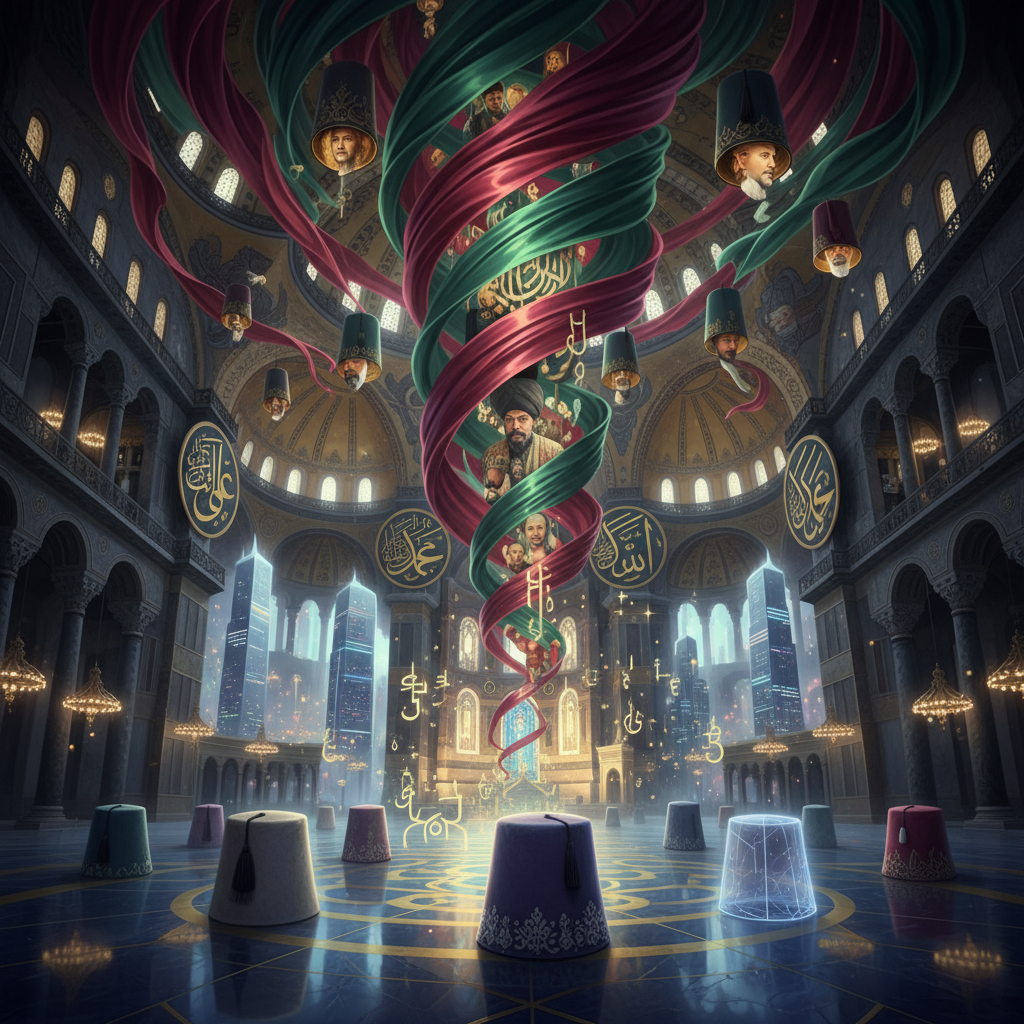
According to a prominent legend, Sultan Mehmed the Conqueror, who conquered Istanbul, had a dream before his first prayer in Hagia Sophia. In this dream, he saw the fez on his head attached to a luminous string hanging from the dome of Hagia Sophia, connecting him to a divine power. This dream symbolizes the spiritual bond of the fez with Hagia Sophia and increased reverence for the fez. Such tales further enhance the mystique of Hagia Sophia Fezzes.
Hagia Sophia Fezzes and Contemporary Approaches: Reviving the Legacy in 2026
With Hagia Sophia reopening for worship as a mosque in present-day Turkey, interest in traditional elements has naturally increased. This development has brought about renewed interest in historical clothing items such as Hagia Sophia Fezzes. Designers and artisans are actively attempting to build a bridge between the past and the future by blending the fez with modern fashion, ensuring its relevance in 2026 and beyond.
In order to preserve our cultural heritage and pass it on to future generations, emphasizing the connection of the fez with Hagia Sophia is of great importance. In 2026, tourists and history enthusiasts visiting Hagia Sophia will realize that these headwear items are not merely clothing, but also carry a deep cultural and historical meaning. For a deeper dive into the broader cultural legacy of this era, consider visiting the Topkapi Palace Museum, which houses extensive collections related to Ottoman history and attire, including examples of Hagia Sophia Fezzes.
Revitalization Efforts for Hagia Sophia Fezzes
These revitalization efforts are being carried out through various channels, including cultural events, exhibitions, and even fashion shows. Modern fezzes adorned with the silhouette of Hagia Sophia or crafted with traditional patterns both keep a historical legacy alive and offer a contemporary style, showcasing the enduring appeal of Hagia Sophia Fezzes.
- Fez in Fashion Design: Some Turkish designers incorporate the fez into their modern collections, promoting it on national and international platforms, demonstrating creative adaptations of Hagia Sophia Fezzes.
- Artistic Interpretations: Visual artists use fezzes in their works, presenting the cultural and historical depth of this headwear from a different perspective.
- Tourist Products: Hagia Sophia-themed fezzes are becoming a meaningful souvenir and a cultural symbol for visitors, cementing their place as significant cultural artifacts.
Conclusion: Hagia Sophia Fezzes and a Look at History
As we arrive in 2026, the magnificent silhouette of Hagia Sophia continues to open the doors of the past for us. As we step through these doors, among the countless symbols we encounter, Hagia Sophia Fezzes whisper to us about ways of life, beliefs, and identities from centuries ago. These headwear items are much more than just pieces of clothing; they are the silent witnesses of Turkish and Ottoman history, culture, and the spiritual world.
Every tourist and history enthusiast visiting Hagia Sophia, while becoming part of this mystical atmosphere, will enrich their experience by remembering the deep meaning carried by the fezzes. Listening to the whispers of these seemingly forgotten identities is an invaluable step towards understanding the true spirit of Hagia Sophia. Indeed, the narrative of Hagia Sophia Fezzes offers a unique lens into this profound history.
This article aimed to emphasize that Hagia Sophia Fezzes are not merely a fashion item, but a cultural heritage carrying the traces of a civilization. We hope that this information will make your visit to Hagia Sophia more meaningful and help you explore the rich historical experience offered by this unique structure in greater depth, especially in 2026.