Hagia Sophia's Mysterious Gardeners: Forgotten Sacred Plants and Healing Gardens in 2026
As 2026 unfolds, rediscovering stories of faith and healing hidden deep within history is unique. Hagia Sophia, a focal point of interest, is known not only for its architecture but also for the sacred plants that once adorned its healing gardens. This article delves into the forgotten flora and the mysterious figures who tended them.
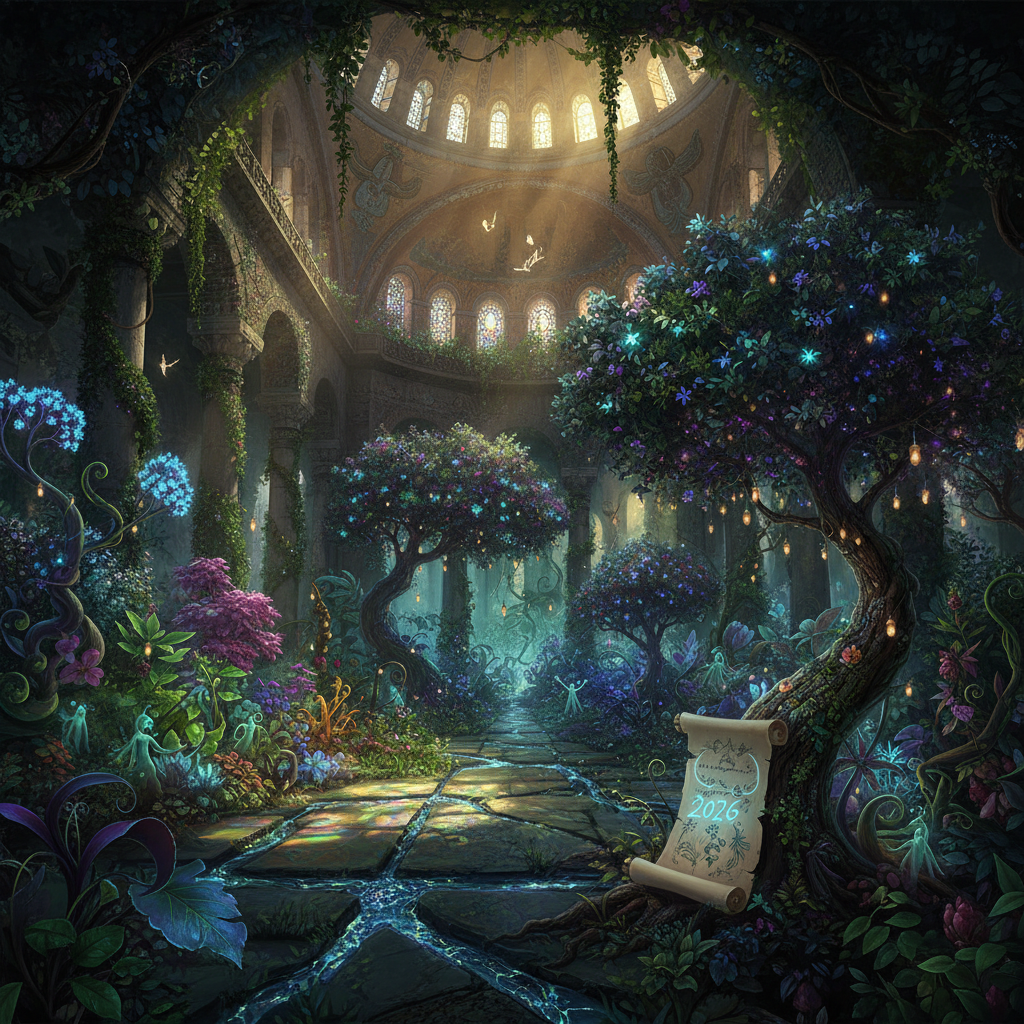
Hagia Sophia's Sacred Plants: Uncovering Forgotten Gardens
As 2026 unfolds, the excitement of rediscovering stories steeped in faith and healing, hidden deep within history, is truly unique. Rising in the heart of Istanbul, the world-renowned Hagia Sophia has been a focal point of great interest not only for its architecture but also for the Hagia Sophia's Sacred Plants that once adorned its surroundings. In this article, we will embark on a detailed journey into the forgotten healing gardens shaped by the hands of Hagia Sophia's mysterious gardeners, and the plant heritage that has survived to this day, focusing on the significance of Hagia Sophia's Sacred Plants.
Hagia Sophia's Sacred Plants and Ancient Healing Traditions
During the periods when Hagia Sophia was built and used, the healing properties and religious symbolism of plants held a very important place. Plants, an integral part of monastic life and daily living, not only cured physical ailments but were also used in the pursuit of spiritual purification and sanctity. Traces of this tradition can be found in Hagia Sophia's lost gardens and in depictions hidden within its walls. Clearly, the role of Hagia Sophia's mystical symbols and Hagia Sophia's Sacred Plants was multifaceted.
Plant Use in the Byzantine Period
In the Byzantine era, the monasteries and palaces around Hagia Sophia were filled with specially cultivated medicinal plants. These plants were used by the physicians and clergy of the time in the treatment of various diseases. For instance, the extracts of these plants were particularly found in ointments and elixirs prepared in the palace pharmacies, showcasing the practical application of Hagia Sophia's Sacred Plants.
Plant Symbolism in Sacred Texts
In Christianity, various plants have deep symbolic meanings. For example, the olive tree represents peace, the Garden of Eden, and God's grace. Such botanical symbols are frequently encountered in the decorative motifs used in Hagia Sophia and in manuscripts of the period. This demonstrates how deeply rooted the concept of Hagia Sophia's Sacred Plants is within the historical narrative. For more on the artistic depictions, you can read about Hagia Sophia's traveling artists.
The Mysterious Gardeners of Hagia Sophia and its Plant Heritage
The areas surrounding Hagia Sophia have reflected the gardening sensibilities of different cultures throughout history. From the magnificent flower gardens of the Byzantine Empire to the more functional herb and fruit gardens of the Ottomans, there was a wide range of vegetation. The care of these gardens and the cultivation of plants was an art requiring special knowledge and skill. Hence, understanding the role of the gardeners clarifies the significance of Hagia Sophia's Sacred Plants.
Byzantine Gardening Art
Byzantine gardens typically featured formal arrangements, water elements, and sculptures. Plants such as roses, lilies, hyacinths, and cypress trees were frequently used. Importantly, these gardens were designed not only for aesthetic purposes but also to provide meditation and spiritual tranquility as part of monastic life. The mystical water sounds near these gardens would have further enhanced this serene atmosphere, highlighting the environment for Hagia Sophia's Sacred Plants.
Ottoman Period and Hagia Sophia's Sacred Plants
After the Ottoman conquest, when Hagia Sophia was converted into a mosque, the understanding of its surrounding gardens also changed. In accordance with the needs of the sacred place, fruit trees, vegetable beds, and of course, medicinal herbs began to be cultivated. Roses, in particular, were indispensable in Ottoman gardens and were highly valued for both their beauty and fragrance. The ablution fountains and monumental fountains in the mosque's courtyard were an indicator of the importance given to water and, consequently, to plants, including Hagia Sophia's Sacred Plants.
Hagia Sophia and its Vegetation Today: A 2026 Perspective
Today, although the vegetation around Hagia Sophia differs from the richness of the past, it remains an important part of its historical fabric. As of 2026, visitors to Hagia Sophia may encounter trees and flowers that carry the traces of the past. Specifically, restoration efforts and landscaping are ongoing, with efforts to bring the spirit of the past into the present, especially concerning potential Hagia Sophia's Sacred Plants.
Current Plant Diversity Around Hagia Sophia
- Plane Trees: Around Hagia Sophia, there are magnificent plane trees that have defied centuries. These trees both bear historical witness and provide shade to visitors.
- Laurel Trees: Symbolizing victory and honor, laurel trees have been important since the Byzantine period and can still be seen around Hagia Sophia.
- Ornamental Plants: Seasonal flowers and ornamental plants added with modern landscaping arrangements add color to the area, complementing the historical context of Hagia Sophia's Sacred Plants.
Journey to the Past: Reviving Sacred Plants
Some researchers and restoration experts are looking for ways to revive the types of Hagia Sophia's Sacred Plants that grew in the past in the areas around Hagia Sophia. This will both enrich biodiversity and reveal the historical and cultural depth of Hagia Sophia more clearly. An increase in such projects is expected in 2026, marking a significant step. For a broader context on historical horticulture, explore the Royal Horticultural Society's archives.
The Future of Hagia Sophia's Sacred Plants and its Plant Heritage
Hagia Sophia is not just a building; it is also a living space. In the future, the preservation and development of the natural life around this sacred structure are of great importance. Its vegetation completes Hagia Sophia's aesthetic appearance and contributes to ecological balance. Experts emphasize the need for more comprehensive study and documentation of the plant life around Hagia Sophia, including the potential reintroduction of Hagia Sophia's Sacred Plants.
Sustainability and Ecological Approaches
In the environmentally conscious world of 2026, sustainability principles are prioritized in the plant arrangements around historical heritage sites like Hagia Sophia. Practices such as avoiding chemical fertilizers, preferring local and native plant species, and efficient use of water resources are becoming widespread, ensuring the longevity of these important botanical elements and the legacy of Hagia Sophia's Sacred Plants. Organizations like the UNESCO World Heritage Centre advocate for such conservation efforts globally.
Education and Awareness Activities
Raising awareness about Hagia Sophia's plant heritage is important for both local people and tourists. Informational panels, guided tours, and digital applications that explain the historical, symbolic, and healing aspects of Hagia Sophia's gardens and surrounding vegetation will increase visitors' knowledge on this subject. Thus, the narrative of Hagia Sophia's mysterious doors and Hagia Sophia's Sacred Plants will be passed on to future generations, preserving their significance.
Conclusion: Hagia Sophia's Green Heritage and Sacred Plants
Hagia Sophia is not merely made of stone and mortar; it is also a living organism shaped by human hands over centuries, imbued with faith, and nurtured by plants. In 2026, visitors to this unique structure will have the opportunity to discover not only its architectural grandeur but also the stories of the surrounding Hagia Sophia's Sacred Plants and healing gardens. These stories will help us understand the soul of Hagia Sophia more deeply and reinforce our admiration for it. In every corner of Hagia Sophia, it is possible to feel the whispers of history and the magic of nature all at once, especially through the lens of its sacred plants.