Hagia Sophia's Traveler Stairs: Footsteps Through Centuries and Mysterious Layers (2026)
Hagia Sophia, a masterpiece in Istanbul, captivates visitors with its majestic dome, mosaics, and especially its mysterious and magnificent stairs. These celebrated 'traveler stairs' have borne witness to emperors, patriarchs, sultans, and countless visitors, each leaving an imprint across centuries. Discover the rich history embedded in every step of this architectural wonder.
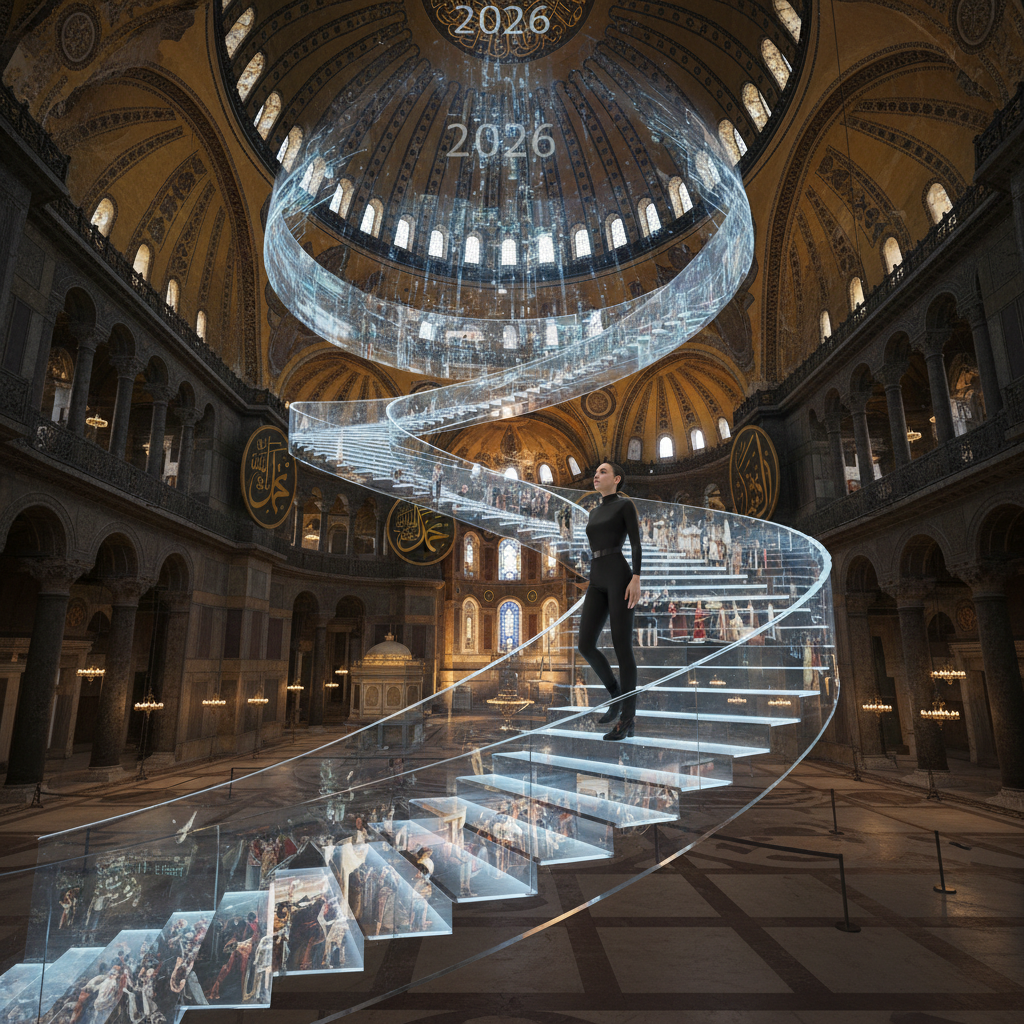
Discovering the Historic Hagia Sophia Stairs: Steps Through Time (2026)
In the heart of Istanbul, the masterpiece of history and architecture, Hagia Sophia, captivates visitors not only with its majestic dome and mosaics but also with its mysterious and magnificent Hagia Sophia Stairs. These stairs have witnessed the steps of numerous emperors, patriarchs, sultans, and travelers throughout the ages, each whispering their own stories while standing as witnesses to time. As of 2026, get ready to discover the mysterious layers of this structure, which intrigue every visitor to Hagia Sophia, through the eyes of a tourist. Therefore, the Hagia Sophia Stairs are a crucial part of the experience.
The Hagia Sophia Stairs' Place in the Depths of History
The construction of Hagia Sophia dates back to the reign of Emperor Justinian I. When it opened for worship in 537 AD, it was the largest enclosed space in the world. The Hagia Sophia Stairs, designed to elevate this magnificent structure and connect its different layers, are as special as the building itself. These steps, bearing traces of dozens of different cultures and civilizations, truly serve as a veritable time tunnel.
Evolution of the Hagia Sophia Stairs from Antiquity to the Present Day
- Byzantine Period: From the initial construction of the church, the Hagia Sophia Stairs providing access to the upper galleries and private sections were engineering marvels of their time. Some were adorned with mosaics, while others offered private passages for the imperial family.
- Ottoman Period: With the conquest by Fatih Sultan Mehmet in 1453 and its conversion into a mosque, the functions of the stairs also changed with new additions to Hagia Sophia. Particularly, the narrow and steep Hagia Sophia Stairs leading to the minarets became important paths used by muezzins for calling to prayer five times a day.
- Republican Period: With its transformation into a museum, the Hagia Sophia Stairs became observation routes that allowed visitors to see the unique architecture more closely. Today, the ramps and steps leading particularly to the upper floor galleries are a focal point for tourists. For more on how Hagia Sophia has transformed across eras, you might be interested in Hidden Sacred Spaces in Hagia Sophia.
These majestic Hagia Sophia Stairs are more than just passages. They are silent witnesses that narrate the soul of Hagia Sophia, its layered history, and the profound transformations it has experienced.
Architectural Features and Structural Mysteries of the Hagia Sophia Stairs
The Hagia Sophia Stairs are not only functional but also possess fascinating architectural details. They are harmonious with the overall aesthetics of the structure but also contain unique features of their own. These specific Hagia Sophia Stairs reflect the superior engineering knowledge and aesthetic understanding of the construction period.
Ramped Stairs and Spiral Designs of Hagia Sophia Stairs
In Hagia Sophia, in addition to the conventional stepped stairs, unique ramps particularly providing access to the upper floors stand out. These ramps were designed to carry heavy loads or large groups of people upwards. Therefore, there is a widespread belief that this design was made to allow heavy materials and even horses to be brought to the upper floors.
- The incline of these ramps is more than adequate for today's accessibility standards, allowing visitors to reach the upper floors without tiring.
- Some interior Hagia Sophia Stairs, on the other hand, rise in a narrow and spiral fashion. Such stairs were generally used for access to more private rooms or observation points.
Materials and Craftsmanship of the Hagia Sophia Stairs
The materials used in the construction of Hagia Sophia were the highest quality and most durable products of their time. The Hagia Sophia Stairs are no exception to this rule. Marble and specially made bricks have resisted wear and tear for thousands of years. Indeed, the signs of wear on the Hagia Sophia Stairs carry the steps and memories of past centuries.
The details in the craftsmanship demonstrate that each step and ramp was meticulously placed. These intricate details elevate Hagia Sophia from merely a structure to a living, breathing organism. For a deeper look into the construction and design, you might explore the architectural history of Hagia Sophia at The Metropolitan Museum of Art.
Hagia Sophia Stairs Exploration Guide for Visitors (2026)
For every tourist visiting Hagia Sophia in 2026, the Hagia Sophia Stairs offer an experience not to be missed. Ascending to the upper floor galleries to closely view the breathtaking vistas and mosaics is crucial to fully grasp the grandeur of this structure.
Tips for Ascending the Hagia Sophia Stairs to the Upper Floors
The ramps leading to the upper floor galleries of Hagia Sophia offer visitors a different perspective. During these passages, both the interior of the building and the Sultanahmet Square outside can be seen from various angles. Here are some essential tips for navigating the Hagia Sophia Stairs:
- Comfortable Shoes: Choose comfortable shoes for walking on the century-worn stone surfaces of the Hagia Sophia Stairs.
- Crowded Hours: It can be crowded, especially during tourist seasons and midday. To experience the Hagia Sophia Stairs in a calmer atmosphere, prefer early mornings or late afternoons.
- Photography: You can capture unique photo angles while ascending and descending the Hagia Sophia Stairs. Especially the arched openings above the ramps offer interesting compositions.
Views from the Hagia Sophia Stairs
When you reach the upper galleries, you will encounter two great mosaic monuments: the Christ Pantocrator and Deësis mosaics. This floor also offers a bird's-eye view of the main worship area and the enormous dome. From here, the vastness and architectural details of Hagia Sophia's interior are better understood. The journey up the Hagia Sophia Stairs is the first step to this visual feast. To learn more about other intriguing elements of the structure, explore Hagia Sophia's Mystical Lanterns.
Hagia Sophia Stairs and Their Mystic Stories
Hagia Sophia is home to many legends and mystical stories. The Hagia Sophia Stairs are also an important part of these stories. Indeed, each step seems to be filled with whispers, carrying the spirits of the past.
Secret Passages and Secrets of the Hagia Sophia Stairs
It is rumored that there are many hidden passages and rooms within the depths of Hagia Sophia that are not open to the public. Some Hagia Sophia Stairs are believed to open to these secret sections. It is thought that the private paths used by palace members and clergy during the Ottoman period still keep their secrets today. This profound mystery further enhances the allure of Hagia Sophia. Discover more about architectural secrets in our article on Hagia Sophia's Mysterious Doors.
Legendary Steps and Paranormal Events on the Hagia Sophia Stairs
According to some local stories, the spirits of emperors or patriarchs wander the Hagia Sophia Stairs at night. The cold drafts felt or incomprehensible sounds heard at certain points on the stairs are elements that feed these legends. Although they lack scientific validity, these stories contribute to the mystical atmosphere of Hagia Sophia and stimulate visitors' imaginations. For a broader understanding of its enduring historical significance, refer to UNESCO's description of Hagia Sophia.
In conclusion, like every part of Hagia Sophia's magnificent structure, the Hagia Sophia Stairs are history books in themselves. Passing over them, following the steps of centuries, is not just a physical movement but also a profound spiritual journey. When you visit this unique structure in 2026, do not forget to discover the fascinating stories and mysteries these Hagia Sophia Stairs hold. You might also be interested in the profound stories within Hidden Manuscripts of Hagia Sophia.