Hagia Sophia's Wooden Treasures: Mysterious Tales and Hidden Artistry of Woodcraft, Spanning History to 2026
Hagia Sophia holds incredible wooden treasures, showcasing centuries of intricate woodcraft. From Byzantine artistry to Ottoman embellishments, delve into the mysterious tales, unique artifacts, and enduring techniques. Learn about current 2026 conservation efforts preserving this rich heritage. Discover the hidden stories carved in wood.
Hagia Sophia Wood Craftsmanship: Mysterious Stories & Hidden Art
Hagia Sophia, standing defiant against centuries in the heart of Istanbul, is world-renowned for its architecture, mosaics, and stonework. However, this unique structure also showcases a perhaps lesser-known, yet equally fascinating aspect: its exquisite Hagia Sophia wood craftsmanship. In this article, we will delve into the mysterious stories, intricate techniques used, and priceless artifacts that have survived to the present day of this special art form, with a deep-rooted history extending from Byzantium to the Ottoman Empire. Even as of 2026, these wooden treasures, preserving all their splendor, transport visitors on a journey through time, highlighting the remarkable Hagia Sophia wood craftsmanship.
Historical Origins and Evolution of Hagia Sophia Wood Craftsmanship
From its construction in the 6th century AD, Hagia Sophia utilized wood in various parts of its structure. Initially preferred for structural elements, roof beams, and large doors, wood gradually became an aesthetic and artistic means of expression. Especially during the Byzantine period, wood found its place in religious objects, iconostases, and furniture, gaining a completely different dimension after the Ottoman conquest. This evolution is an important part of Hagia Sophia's multi-layered cultural heritage.
With the conversion of the structure into a mosque, wood reached religious and aesthetic perfection, showcasing masterful Hagia Sophia wood craftsmanship, in the hands of Ottoman artisans. Additions such as the minbar, muezzin's lodges, preaching pulpits, and various cabinets showcase the finest examples of Ottoman wood craftsmanship. Each piece reveals the delicacy, patience, and artistic genius of the artisans of that era. These artifacts are not merely objects of utility; they also carry profound spiritual meaning.

Traces of Hagia Sophia Wood Craftsmanship from Byzantium to the Ottoman Empire
The wood craftsmanship in Hagia Sophia clearly demonstrates the artistic interaction of two great civilizations. Some wooden elements dating back to the Byzantine period can be seen, particularly on the main doors of the structure and some interior panels. These works reflect the simple yet impressive forms of the era.
The Ottoman period, on the other hand, imbued Hagia Sophia with an entirely new spirit of wood craftsmanship. Additions such as the minbar and muezzin's lodges, made using the *kündekari* technique, are among the most striking examples of geometric patterns and intricate motifs. During this period, wood not only served a functional purpose but also reached the pinnacle of decorative art. Wooden artifacts enriched with mother-of-pearl, ivory, and precious metals added to Hagia Sophia's splendor.
- Byzantine Period: Generally door leaves, beams, and a small number of furniture pieces. Simpler lines and designs focused on durability.
- Ottoman Period: Minbar, pulpits, muezzin's lodges, cabinets, screens. Advanced techniques like *kündekari*, carving, and inlay, all reflecting exquisite Hagia Sophia wood craftsmanship.
Important Examples of Hagia Sophia Wood Craftsmanship and Details
Within Hagia Sophia, there are many important examples of wood craftsmanship that capture visitors' attention. Each of these works, representing unique Hagia Sophia wood craftsmanship, is a distinct piece of art and is meticulously preserved by the Ministry of Culture and Tourism.
Imperial Gate and Other Doors
The Imperial Gate, located at the entrance of Hagia Sophia, attracts attention with its colossal size and its intricate wood craftsmanship. Believed to date back to the Byzantine period in its original construction, this gate has undergone repairs and additions in subsequent periods. The wood craftsmanship evident in the door leaves still retains its integrity despite the ravages of time. Other smaller doors and passages in the interior also feature unique examples of wood craftsmanship from different periods.
Ottoman Period Minbar and Preaching Pulpit
One of Hagia Sophia's most magnificent examples of wood craftsmanship is undoubtedly its minbar. Believed to date from the 16th century, this minbar is a true *kündekari* masterpiece. Composed of interlocking geometric wooden pieces without the use of nails or adhesives, this technique showcases the artisan's mastery. The minbar's fine details, geometric motifs, and painted decorations represent the zenith of the artistic understanding of the era. The preaching pulpit is also carved and adorned with similar finesse, demonstrating remarkable wood craftsmanship.

Muezzin's Lodges and Wooden Screens
The muezzin's lodges, located alongside the main prayer area, are also beautiful examples of exquisite Hagia Sophia wood craftsmanship. The wooden screens used in these lodges create a mystical atmosphere in the space with their play of light and shadow. The fine wood craftsmanship of the screens displays a harmonious combination of geometric patterns and botanical motifs. These details prove how diverse and rich Hagia Sophia's wood craftsmanship is.
Techniques and Materials Used in Hagia Sophia Wood Craftsmanship
The wooden artifacts in Hagia Sophia are a result of the knowledge and creativity of the artisans. Many different techniques and valuable materials were used in the creation of these works of wood craftsmanship.
Basic Woodworking Techniques
- Kündekari Technique: The art of creating geometric patterns by interlocking small wooden pieces without the use of nails or glue. It is one of the most prestigious techniques of Ottoman wood craftsmanship. This is one of the most distinctive features of Hagia Sophia's wood craftsmanship.
- Carving Art: The creation of raised or recessed patterns by carving wooden surfaces with special tools. Frequently seen on minbars and pulpits, showcasing impressive wood craftsmanship.
- Inlay Art: The creation of patterns by inlaying mother-of-pearl, ivory, metal, or other types of wood pieces into carved wooden surfaces. This technique adds richness and brilliance to the artifacts of wood craftsmanship.
- Painting and Pen Work: Painting wooden surfaces and drawing detailed patterns with fine brushes. Especially encountered in ceiling and door decorations, often complementing the existing wood craftsmanship.
Materials Used
Durable and aesthetically rich wood species were preferred for woodworking. Walnut, ebony, mahogany, and pine are among the primary materials used. Additionally, valuable materials such as mother-of-pearl, ivory, and tortoiseshell were used in inlay art, increasing the value of these works of Hagia Sophia wood craftsmanship. Gold leaf and paints also held an important place in the decorations.
Hagia Sophia Wood Craftsmanship in 2026: Preservation and Future
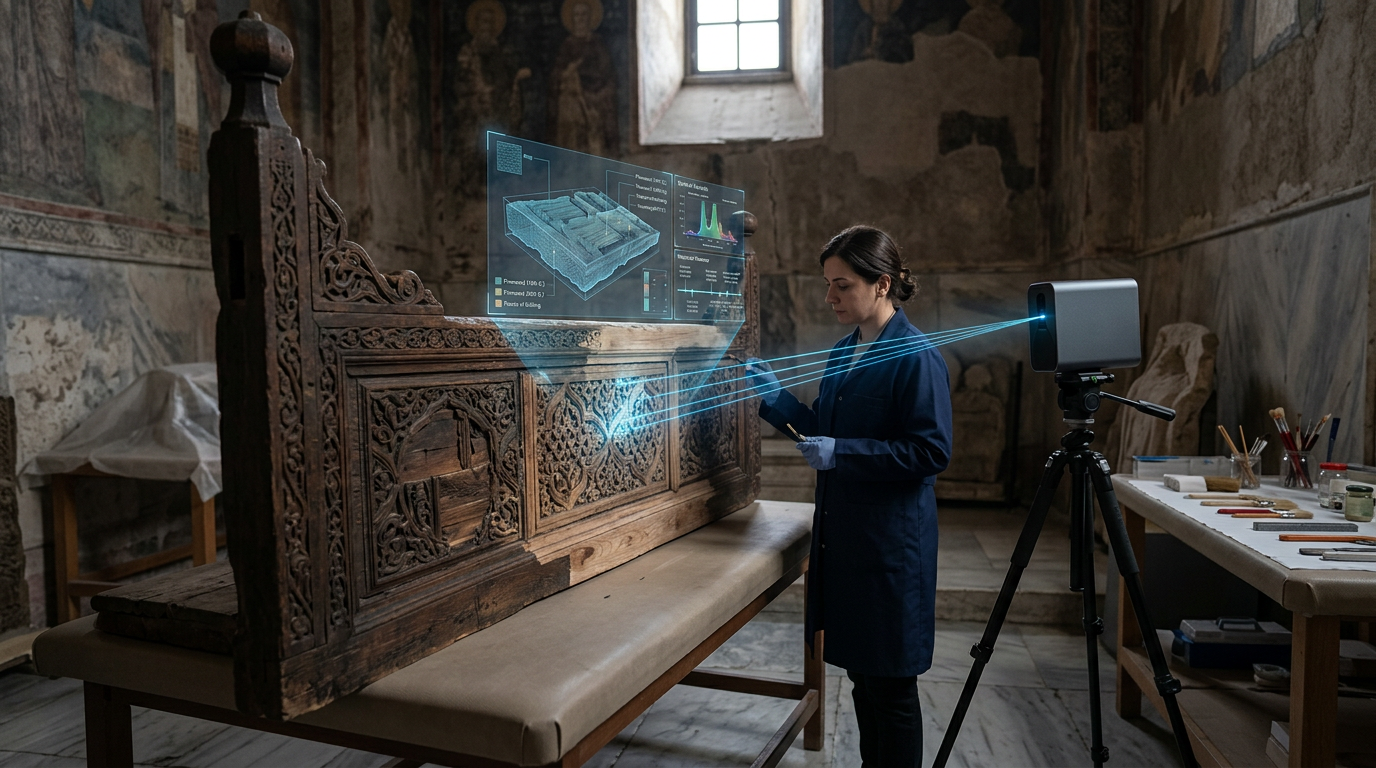
As of 2026, the preservation of Hagia Sophia's wood craftsmanship is being carried out with great care. These priceless works, hundreds of years old, are highly sensitive to external factors such as humidity, temperature fluctuations, and biological agents. For this reason, national and international expert teams are working to pass these artifacts on to future generations using modern restoration techniques.
Restoration projects are carried out using materials and methods that will not disrupt the natural structure of the wood. Especially for works made with delicate techniques like *kündekari*, preserving the original structure is essential. Hagia Sophia wood craftsmanship is not only a work of art but also an important part of our cultural heritage, and its preservation is of great importance.

Mystical and Mysterious Dimensions of Hagia Sophia Wood Craftsmanship
Hagia Sophia's wood craftsmanship examples attract attention not only with their aesthetic beauty but also with the mystical and symbolic meanings they carry. Geometric patterns represent the order of the universe, divine unity, and eternity. Botanical motifs symbolize paradise, fertility, and the cycle of life. Each carving, each inlay, reflects the artisan's faith and devotion to this sacred space.
The effort, patience, and meticulousness invested in the creation of these works are almost a form of meditation and worship. The natural texture of the wood, the patina acquired over time, and the warmth imparted by the craftsmanship contribute to Hagia Sophia's overall mystical atmosphere. When visitors touch or examine these works, they touch not only the wood but also the spirit and faith of centuries. Hagia Sophia wood craftsmanship is a living heritage that carries the whispers of the past to the present.
It is recommended that everyone visiting Hagia Sophia turn their eyes not only to the colossal domes or glittering mosaics but also to the intricate Hagia Sophia wood craftsmanship on the walls, doors, and minbar. Because in these details, a significant part of the structure's soul and the profound traces it left on humanity's art history are hidden.