Hagia Sophia's Mysterious Weaving: Carpets, Curtain Secrets, and Redeveloped Stories of 2026
As we enter 2026, Hagia Sophia, rising from Istanbul's ancient skies, continues to captivate visitors not only with its architecture but also with the intricate details of its weaving art. This unique structure, with its carpets, curtains, and other textile elements, acts as a veritable time tunnel, whispering a different story with each thread. Delve into the re-woven tales and hidden secrets of this iconic monument.
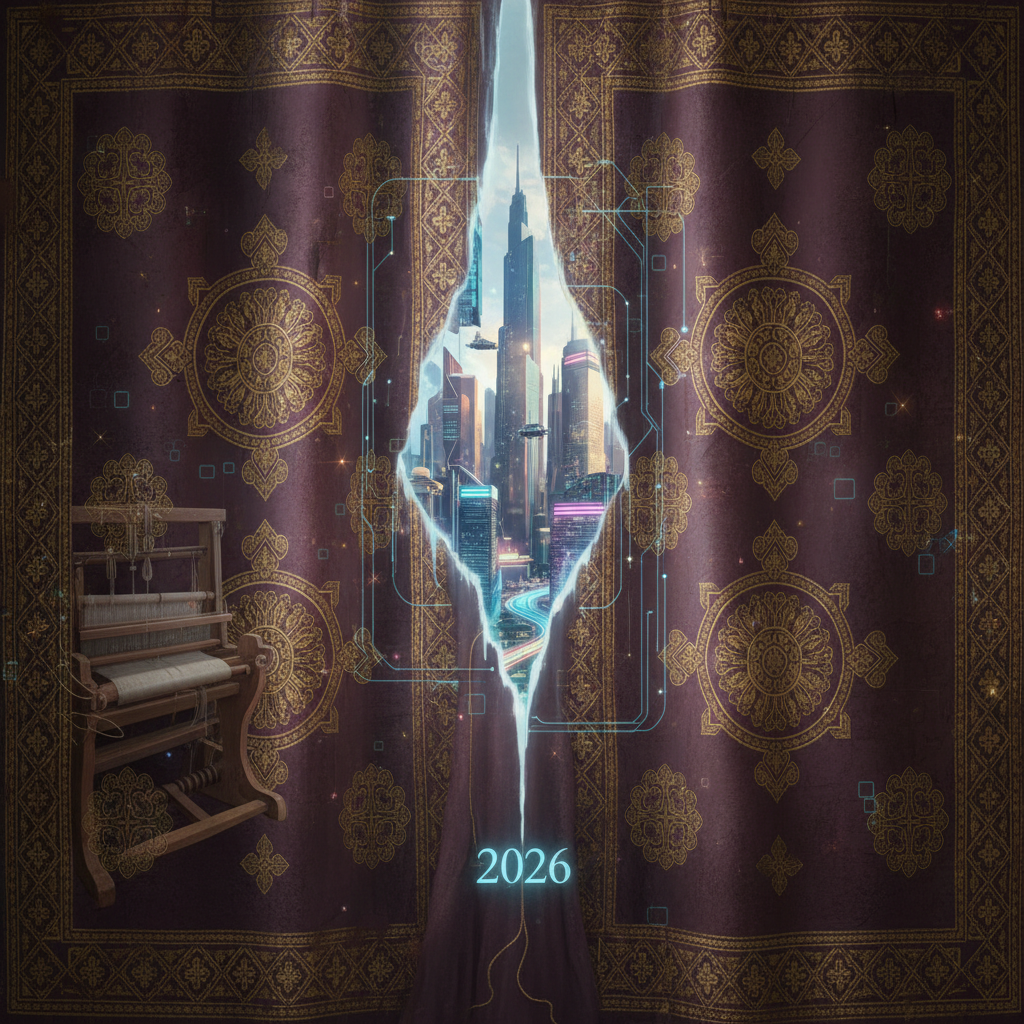
Hagia Sophia's Mysterious Weaving: Carpets, Curtain Secrets, and Re-Woven Stories of 2026
As we enter 2026, Hagia Sophia, rising from Istanbul's ancient skies and standing for centuries, continues to captivate visitors not only with its architecture but also with the intricate details of its weaving art. This unique structure, with its carpets, curtains, and other textile elements, acts as a veritable time tunnel, whispering a different story with each thread. In this article, we will delve into the depths of Hagia Sophia, thoroughly examining its weaving legacy, mystical secrets, and contemporary significance.
Delve deeper into how this iconic monument has shaped cultural narratives in How Hagia Sophia Influences Culture: 6 Key Insights Today!
The Art of Weaving in Hagia Sophia's Historical Layers
Hagia Sophia has hosted many civilizations throughout history, bearing traces of each, making it a monumental structure. Built as the dazzling masterpiece of the Byzantine Empire, this sacred space was converted into a mosque during the Ottoman Empire and served as a museum during the Republic era. With its reopening for worship in recent years, Hagia Sophia's historical texture has been further enriched.
The layered history of the structure is also reflected in its artistic elements. Especially the art of weaving has gained different meanings with each transformation of the building, blending with different aesthetic understandings. These curtains and carpets are not merely decorative elements; they are tangible proofs of beliefs, ways of life, and artistic skills.
For more about the building's hidden depths, explore Mysterious Foundations of Hagia Sophia: The Underground World and Unseen Connections (2026).
Byzantine Period and Silk Weavings
During the Byzantine period, Hagia Sophia was the center of imperial ceremonies, rites, and important meetings. Silk weavings were of great importance as a symbol of wealth and power during this period. These silks, produced in imperial workshops, were among the most valuable fabrics in the world at that time.
- Patterns: Imperial symbols, religious figures, and geometric motifs were frequently used.
- Colors: Vibrant colors, especially purple and gold tones, were among the preferences of the imperial family.
- Uses: They might have been used as altar cloths, bishop's robes, and wall coverings beneath mosaics.
Unfortunately, very few Byzantine-era weavings have survived to the present day. However, contemporary engravings and written sources reveal the splendor Hagia Sophia possessed during that period.
Ottoman Legacy: Carpets and Kilims
With the conquest by the Ottoman Empire, as Hagia Sophia was converted into a mosque, its interior aesthetics and functionality were reshaped. During this period, carpets and kilims became one of the most fundamental and striking elements of the mosque. They provided comfortable worship for the congregation while also contributing to the mosque's acoustics.
Ottoman carpet weaving art reflects the most advanced techniques and aesthetic understanding of its time. These works, woven in palace workshops or famous carpet centers, covered the vast floors of Hagia Sophia with their immense sizes. As of 2026, thanks to restorations, some of these carpets have been restored to their original appearance.
- Uşak Carpets: Typically characterized by geometric patterns and star motifs. These iconic Turkish carpets are renowned worldwide; to learn more about their history and production, visit sources like The Metropolitan Museum of Art's collection on Uşak carpets.
- Hereke Carpets: Known for their fine craftsmanship, rich colors, and complex naturalist patterns.
- Mosque Carpets: Often had special patterns indicating the direction of the mihrab and defining the rows for prayer.
Each of these carpets is a work of art embedded in the soul of Hagia Sophia, offering examples of the pinnacle of Turkish-Islamic art.
Hagia Sophia's Curtain Secrets and Mystical Atmosphere
Beyond being merely a physical object, Hagia Sophia's curtain carries many mystical meanings. Especially during the Byzantine era, curtains separating the apse, where patriarchs performed their rituals, from the main space were believed to delineate the boundary between the sacred and the mundane. In the Ottoman period, specially designed curtains surrounding the minbar and mihrab further enhanced the mosque's spiritual atmosphere.
Today in 2026, a tourist visiting Hagia Sophia can still feel the symbolic power of these curtains. Filtering the light streaming through the high windows, these curtains create a dim and peaceful atmosphere inside, almost transporting visitors to another dimension.
The Curtain Between the Sacred and the Intimate
Throughout history, the curtains used in Hagia Sophia have served both functional and symbolic roles. During the Byzantine period, curtains hung in front of the wooden partition adorned with icon paintings, known as the iconostasis, were used to conceal the most intimate moments of sacred rituals. The opening and closing of these curtains were an important element determining the flow of religious rites.
During the Ottoman period, large curtains hung between the mosque's main courtyard and the mihrab and minbar section created a visual separation and helped the congregation focus on prayer. Most of these curtains were made of rich silk and velvet fabrics, adorned with gold and silver embroidery.
Hagia Sophia's Curtain Legacy in 2026
Currently, as a mosque open for worship, Hagia Sophia places importance on traditional details in its interior arrangements. The newly hung curtains are designed inspired by Ottoman weaving art, adorned with simple yet striking motifs. In 2026, these curtains both preserve the historical texture and meet modern needs.
- Material: Generally made of cotton or silk-blend fabrics.
- Colors: Calming, earthy tones and light colors are preferred.
- Patterns: Geometric lines, curving branch motifs, and calligraphy elements are frequently seen.
These curtains bridge the gap between Hagia Sophia's glorious past and its present, offering visitors an unforgettable experience. The interplay of materials and light within the structure is further explored in Hagia Sophia's Glow: A Dance of Colors and Melancholy from Sunrise to Sunset (2026).
Preservation and Future of Hagia Sophia's Weaving Heritage
Hagia Sophia's weaving heritage holds great value not only for its aesthetic qualities but also for its historical and cultural significance. It is a great responsibility to preserve these priceless carpets and curtains and pass them on to future generations. In 2026, many efforts are being made at national and international levels in this regard.
Extensive restoration works carried out in recent years have ensured the meticulous repair of worn carpets and curtains. Factors such as special storage conditions, humidity and temperature control, and lighting are of great importance to ensure the longevity of these artifacts.
Restoration and Conservation Efforts
Historical textile products can face problems such as fading colors, wear and tear, and insect infestation over time. For this reason, professional restoration teams revive these artifacts using highly delicate techniques. Similar rigorous work is being carried out for the textile artifacts in Hagia Sophia.
- Detailed analysis of the artifact and damage assessment.
- Determination of appropriate cleaning and disinfection methods.
- Repair of lost or worn areas with threads and techniques faithful to the original.
- Taking protective measures, such as displaying in special glass showcases or enclosed areas.
These efforts ensure the safe preservation of Hagia Sophia's textile richness for 2026 and beyond. For insights into general textile conservation techniques, the Victoria and Albert Museum's textile conservation section offers valuable information.
Digitization and Virtual Exhibitions
With the advancement of technology, Hagia Sophia's weaving heritage is also being transferred to digital platforms. Thanks to high-resolution photographs, 3D scans, and virtual reality applications, these artifacts are becoming accessible from all over the world.
As of 2026, virtual exhibitions where you can examine carpets and curtains in detail can be found on Hagia Sophia's official website or special cultural platforms. This allows visitors to access this cultural richness even if they cannot physically go to Hagia Sophia.
Hagia Sophia and Its Current Impact: A 2026 Perspective
Hagia Sophia is more than just a structure; it is a living monument representing the meeting point of civilizations. The carpets and curtains within it are important components that enhance the aesthetic and spiritual depth of this monument. In 2026, the weaving art of Hagia Sophia both perpetuates the legacy of the past and inspires modern art movements.
Captivating visitors with its architecture and interior decoration, Hagia Sophia contains thousands of stories to be told in every detail. The place of weaving art in these stories is undoubtedly unique and indispensable. Hagia Sophia will continue to exist as a living testament to cultural exchange and artistic continuity with this magnificent weaving heritage.
The global significance of this landmark is constantly evolving, as highlighted in Hagia Sophia's Global Standing: Interactions and 2026 Projections.
Tips for Tourists
For tourists planning to visit Hagia Sophia in the summer of 2026, here are a few tips to experience the art of weaving more closely:
- Examine the mosque carpets closely; pay attention to the details of the patterns and color transitions. You might find some of the motifs surprisingly familiar!
- Look at old photographs or engravings to discover past curtain arrangements.
- Check the special exhibition areas within Hagia Sophia; you may see rare textile examples.
- Join guided tours to hear the stories behind the carpets and curtains. Consider exploring the surrounding areas further, as detailed in Stepping in the Shadow of Hagia Sophia: Ancient Paths and Mysterious Trails (2026).
In conclusion, the weaving heritage of Hagia Sophia is not just pieces of fabric but also an invaluable treasure interwoven with history, faith, and art. In 2026, everyone visiting this ancient structure will immerse themselves in the mystical atmosphere of this weaving and feel the spirit of centuries past. The grandeur of Hagia Sophia is further reinforced by the richness of its textiles, offering visitors unforgettable memories. For those interested in the broader impact of textiles on historical cultures, exploring resources like the Britannica article on textiles can provide a wider context.