Hagia Sophia in 2026: Fatih's Legacy and the Republic's Reflections - A Visitor's Journey Through Time
Welcome to 2026! Rising in the heart of Istanbul as a unique masterpiece, Hagia Sophia continues to mesmerize. This comprehensive Hagia Sophia visit guide 2026 will help you explore every aspect of this magnificent structure, compiling everything from its hidden stories to practical information for your journey through time.
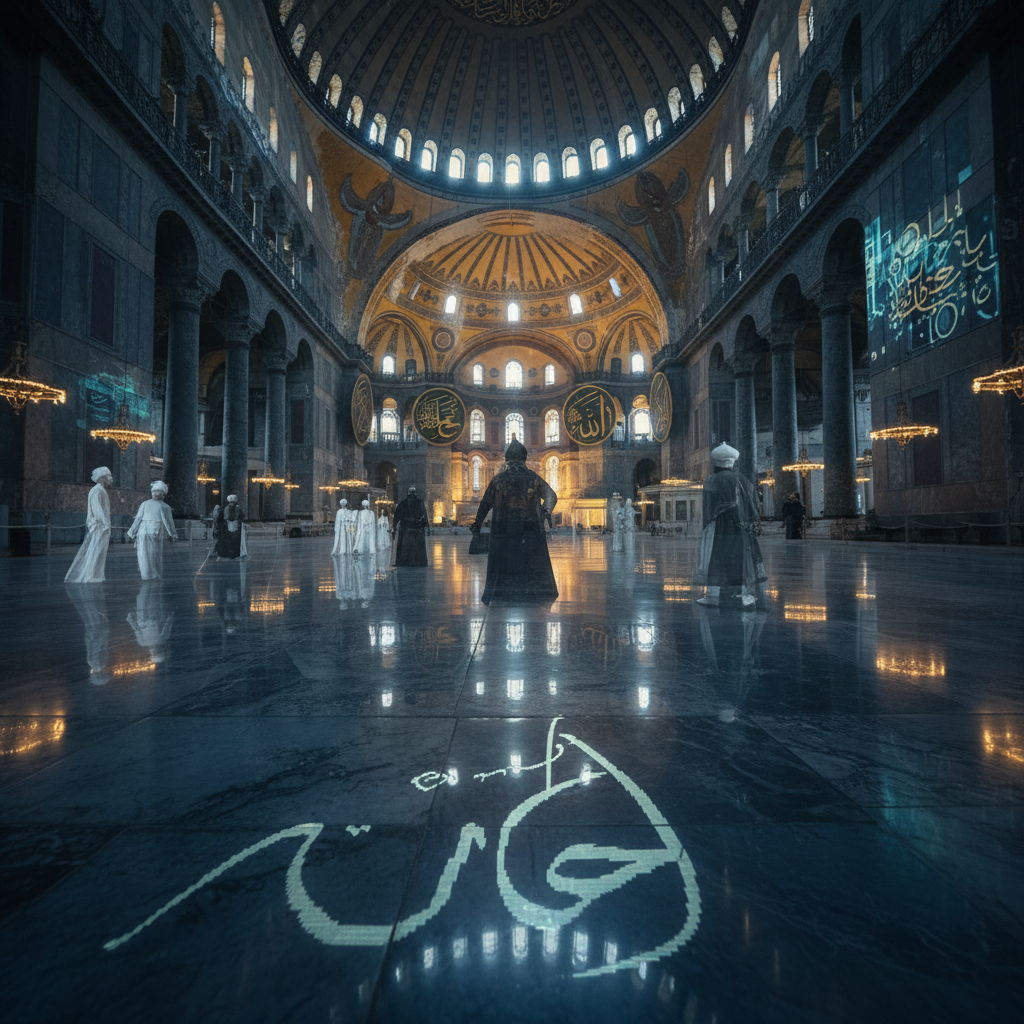
Hagia Sophia Visitor's Guide 2026: Fatih's Legacy and the Reflections of the Republic - A Journey Through Time from a Visitor's Perspective
Welcome to 2026! This comprehensive Hagia Sophia Visitor's Guide 2026 is your essential companion for exploring one of Istanbul's most iconic landmarks. Rising in the heart of Istanbul as a unique masterpiece of history and architecture, Hagia Sophia continues to mesmerize its visitors. This guide will help you explore every aspect of this magnificent structure, compiling everything from its hidden stories to practical information. Once a church, then a mosque, then a museum, and now a mosque again, this building is one of the most important witnesses to human history. With this guide, you will have an unforgettable experience at Hagia Sophia.
For a deeper dive into the religious and cultural significance of Hagia Sophia throughout the ages, consider exploring Hagia Sophia's Legacy of Faith: Religious and Cultural Impacts of a Sacred Space Shaping Civilizations.
Hagia Sophia's Unique History and Architectural Wonders
Hagia Sophia is not just a place of worship or a museum, but a living monument reflecting the historical transformation of three empires – Eastern Roman (Byzantine), Ottoman, and the Republic of Turkey. It was built as a church by Emperor Justinian I in 537 AD and remained the largest enclosed space in the world for nearly a thousand years. Its rebuilding after two major rebellions and fires during the Byzantine period demonstrates its immense importance.
Converted into a mosque with Fatih Sultan Mehmed's conquest of Istanbul in 1453, Hagia Sophia also inspired Ottoman architecture. Elements such as added minarets, mihrab, minbar, and madrasah solidified the structure's place in the Islamic world. Mimar Sinan's strengthening of the structure with buttresses played a key role in its survival to this day.
Converted into a museum by the decision of Mustafa Kemal Atatürk in 1934 and reopened for worship as a mosque in 2020, this structure has carried different meanings in every era and has deeply affected its visitors. Within the scope of the Hagia Sophia Visitor's Guide 2026, we will explore these historical layers step by step.
The Byzantine Period and the Transition from Church to Museum
Understanding Hagia Sophia's splendor in the Byzantine era helps us better comprehend the present-day structure. Its mosaics, marbles, and colossal dome showcase the engineering and artistic marvels of the period. Especially the lighting technique of its dome creates an almost divine atmosphere inside. The structure hosted many imperial ceremonies, religious rites, and significant events. The mosaics inside Hagia Sophia are captivating both for their artistic value and for depicting important figures in Christian history.
With its conversion into a museum, mosaics that had been covered for years were brought to light. The restoration work carried out during this period allowed visitors to see both the church and mosque features together. This balance reinforced Hagia Sophia's identity as a universal cultural heritage site.
Ottoman Legacy and the Mosque Period
During the Ottoman period, Hagia Sophia began serving as a mosque and was a central place of worship from the empire's early days until its end. The added minarets gave the structure an oriental atmosphere and changed its external appearance. Inside, the art of the mihrab and minbar, examples of Ottoman calligraphy, and non-figurative Islamic decorations coexisted in harmony with Christian mosaics. The Sultan's private loge, where sultans prayed, is an important detail reflecting the grandeur of this period.
From the outside, the massive buttresses added by Mimar Sinan increased the building's resistance to earthquakes and kept it standing for centuries. This engineering genius proves that Hagia Sophia is a masterpiece not only architecturally but also in structural engineering. This Hagia Sophia Visitor's Guide 2026 will help you appreciate these details.
Hagia Sophia Visitor's Guide 2026: Visiting Hours, Fees, and Transportation
As of 2026, Hagia Sophia serves as an active mosque open for worship. Therefore, visiting hours and rules are subject to some changes. Visitors are expected to dress appropriately for religious sites and adhere to mosque rules. Women are required to wear a headscarf and clothing that covers their shoulders and knees. Men are also advised to avoid shorts or very short-sleeved t-shirts. Headscarves and appropriate clothing can be provided at the entrance.
Regarding entrance fees, as Hagia Sophia serves as a mosque, there is currently no designated entrance fee as a museum. However, it should be noted that donations are accepted. Additional fees may apply for private tours or guided visits. Within the Hagia Sophia Visitor's Guide 2026, we recommend checking the official website for the most up-to-date information on Hagia Sophia visiting regulations.
In terms of transportation, Hagia Sophia is located in the center of Istanbul's historical peninsula and is easily accessible by public transport. The Sultanahmet stop of the Kabataş – Bağcılar Tram line is within walking distance of Hagia Sophia. You can also reach it by many city buses and taxis. Especially for tourists, "hop-on hop-off" bus tours also have stops near Hagia Sophia. For detailed guidance on navigating the site, refer to Hagia Sophia's Mysterious Layers: Your A-Z Tourist Guide to Everything You Need to Know.
Dress Code and General Etiquette at Hagia Sophia
- For Women: Head covering is mandatory. Loose clothing that covers shoulders and knees should be preferred. Transparent and low-cut garments should be avoided.
- For Men: Shorts or very short-sleeved shirts should be avoided. Trousers that cover the knees or long shorts should be preferred.
- Shoes: Shoes must be removed before entering the mosque. There are special racks provided for shoes.
- Silence: To show respect for worshippers, silence should be maintained inside the mosque.
- Photography: Photography is allowed without flash and without disturbing worshippers. However, photography may be prohibited in certain special sections.
Other Historical Sites Nearby
When visiting Hagia Sophia, do not neglect to explore other important historical sites in the vicinity. Sultan Ahmed Mosque (Blue Mosque), Basilica Cistern, Topkapi Palace Museum, Archaeology Museum, and Turkish and Islamic Arts Museum are all within walking distance. This rich cultural and historical fabric will make your Istanbul trip even more unforgettable. Especially with increased interest in 2026, these venues may also experience high visitor traffic, so you might consider going early. You can find more information about Topkapi Palace Museum and other attractions online. This Hagia Sophia Visitor's Guide 2026 encourages you to explore the surrounding area.
Hagia Sophia's Mysterious Stories and Legends
Hagia Sophia is a place that carries the whispers of centuries within its walls, hosting countless legends and mysterious stories. A different tale is hidden in every corner, every stone. These stories enchant visitors and further strengthen Hagia Sophia's mystical atmosphere. These legends have been passed down through generations among the people and have added a different dimension to the history of the structure. Discover more enigmatic tales in Whispers on Hagia Sophia's Walls: Unseen Stories from Past to Present.
The Weeping Column and Wishes
Inside Hagia Sophia, there is a marble column known as the "Weeping Column" or "Wish Column" with a hole in it, which feels wet to the touch. According to legend, this column possesses the miraculous powers of Saint Gregory, who played an important role in the construction of Hagia Sophia. The wetness of the column is believed to be the tears of the Virgin Mary. Visitors believe that if they insert their thumb into the hole, make a wish, and rotate their hand 360 degrees, their wish will come true. This ritual is repeated by thousands of local and foreign tourists every year.
Secret Passages and Lost Treasure Legends
Urban legends circulate that there are unexplored tunnels and secret passages beneath Hagia Sophia. These passages are rumored to extend to Topkapi Palace and to conceal treasures from the Byzantine period. Although most of these claims are unconfirmed, Hagia Sophia's magnificent past fuels such stories. With the Hagia Sophia Visitor's Guide 2026, you will experience this mystical atmosphere yourself.
The Secret of the Dome and the Four Angels
Hagia Sophia's colossal dome, besides being an architectural marvel, has also been the subject of various legends. The seraphim angels with human faces, whose frescoes were covered, located at the corners of the four main supporting arches of the dome, symbolize the transition between Christian and Islamic cultures. One of these angels was uncovered during restoration work in the 19th century and can still be seen today. The others are thought to remain under plaster. This is a striking example showing Hagia Sophia's layered history and cultural richness.
Hagia Sophia in 2026 and its Reflection into the Future
In 2026, Hagia Sophia continues to be a major attraction for both local residents and international visitors. In addition to being an important symbol of the Republic of Turkey, it is also an indispensable part of humanity's heritage globally. The reintegration of the structure as a mosque has changed the visitor experience and rules to some extent, but Hagia Sophia's historical and cultural significance is more pronounced than ever.
How Hagia Sophia will play a role in the future, and how the dialogue between cultures and beliefs will be shaped, will continue to be debated. But one thing is certain: Hagia Sophia will remain one of the most captivating structures in Istanbul and the world, and will continue to inspire future generations. For visitors, the Hagia Sophia Visitor's Guide 2026 offers a great starting point for exploring every facet of this fascinating structure.
Artistic Details in the Interior
The marble coverings, mosaics, and calligraphic inscriptions inside Hagia Sophia are a work of art. Especially the Deësis mosaic in the upper gallery is one of the most beautiful examples of Byzantine art. The Baptistery on the right was where the baptism ceremonies of the imperial family took place. The detailed marble craftsmanship in this area showcases the artistic understanding of the period. The minbar to the right of the mihrab and its decorations are also masterpieces of Ottoman woodworking. The large calligraphic panels are works of famous calligraphers like Kâtip Çelebi and bear the names of Allah, Muhammad, the four caliphs, and Hasan, Husayn. This Hagia Sophia Visitor's Guide 2026 highlights these artistic treasures.
Maximize Your Visitor Experience
To fully experience Hagia Sophia, we recommend visiting in the early morning or late evening. During these hours, the crowds are smaller, and the sun's rays from different angles create magnificent plays of light on the building's architecture. Taking a tour with a professional guide will help you better understand Hagia Sophia's hidden stories and architectural details. The Hagia Sophia Visitor's Guide 2026 aims to guide you in this regard.
Make sure you have a suitable device for taking photos with you during your visit. Hagia Sophia offers countless frames worth photographing from every angle. Also, wearing comfortable shoes will help you explore the structure more easily. For an unforgettable experience, take your time and carefully and curiously examine every corner of this unique structure.